1999-2000, body art, fotografia (v spolupráci s Monikou Barcziovou) / body-art, photography (in cooperation with Monika Barcziová)
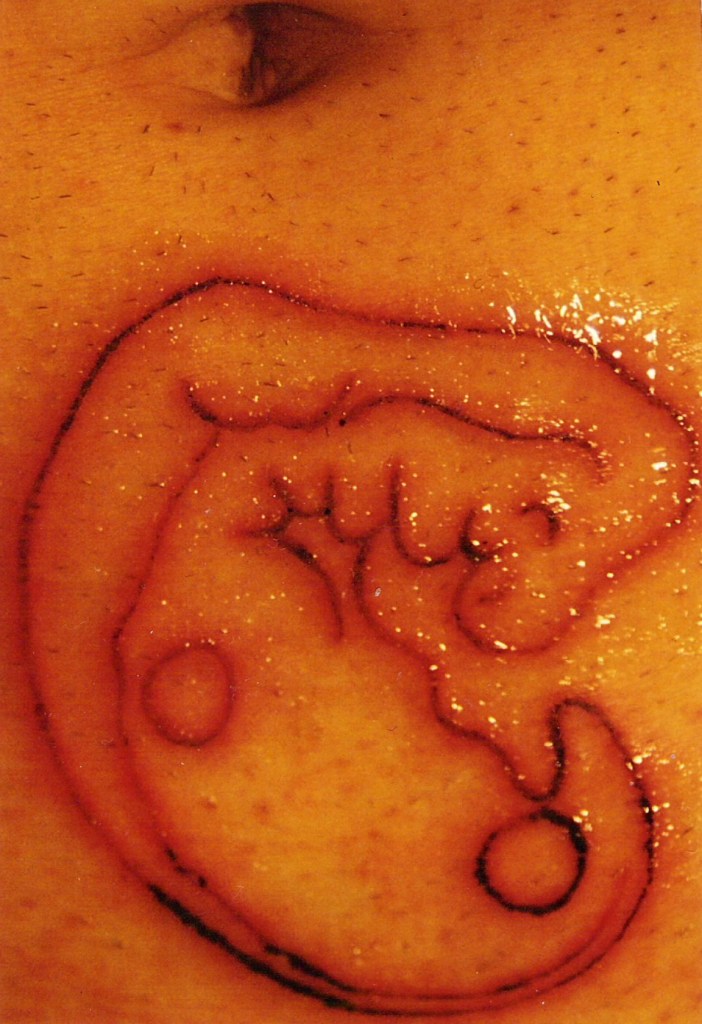


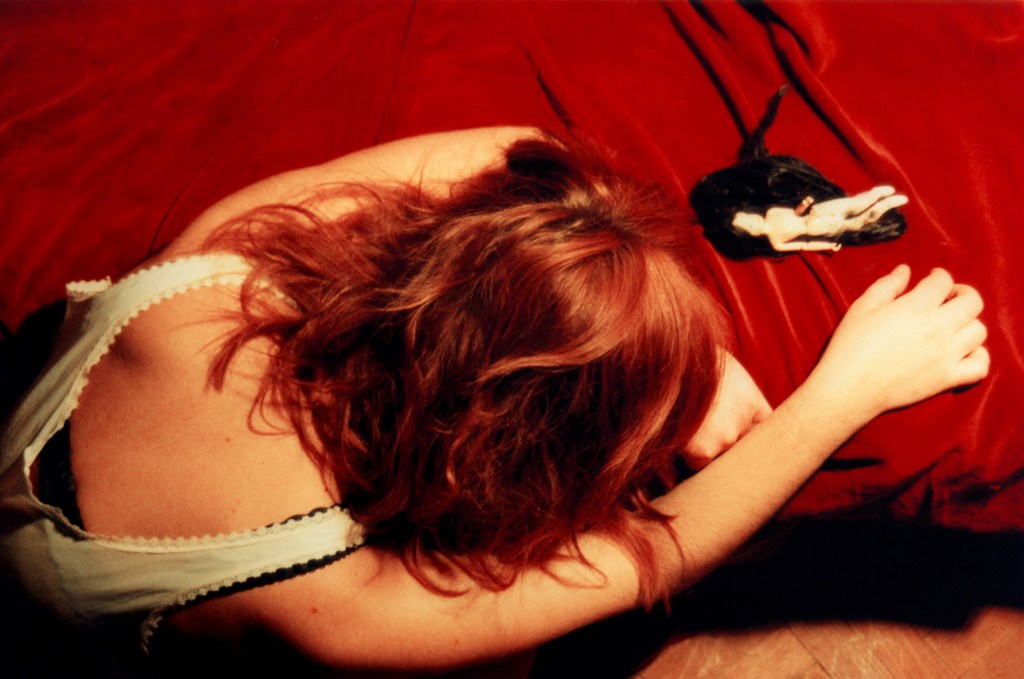
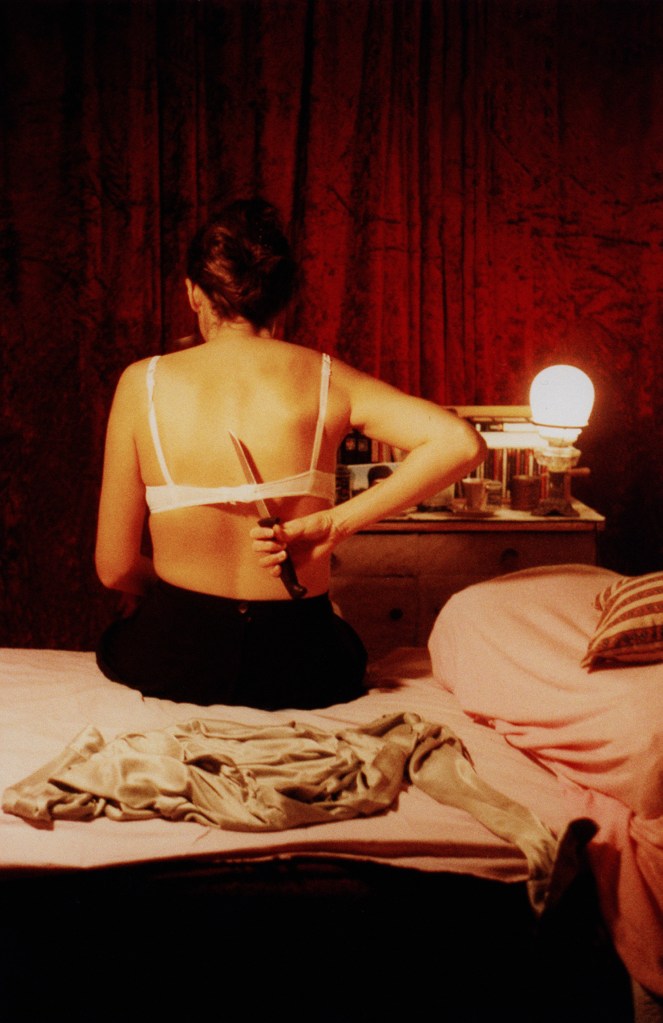
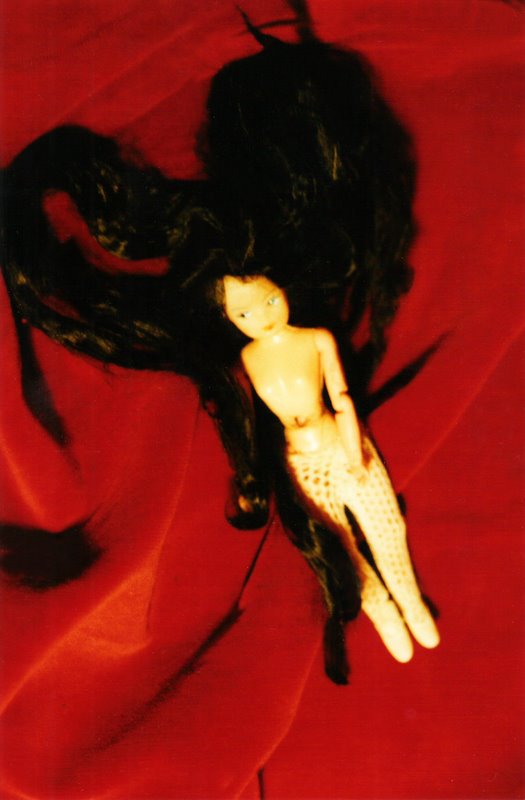
V roku 1999 som realizoval performanciu, v rámci ktorej som si nechal na svoje telo chirurgicky aplikovať jazvu v tvare ľudského embrya. Prostredníctvom bolesti a premeny vlastného tela som sa snažil preskúmať možnosti rozšírenia identity za hranice biologického pohlavia a otvoriť sa pre inú, než výhradne mužskú skúsenosť.
Inpširoval som sa praktikami prírodných kultúr, ktoré často uznávajú existenciu rôznorodých genderových identít. Napríklad v pôvodných severoamerických kultúrach sa vyskytoval koncept „two-spirit“, označujúci osoby, ktoré spájali v sebe vlastnosti a roly spojené s oboma pohlaviami. Títo jedinci často zastávali dôležité pozície v komunite ako šamani alebo liečitelia, pretože sa verilo, že ich schopnosť spájať mužský a ženský princíp im umožňuje hlbšie porozumieť duchovnému svetu.
Moja práca nadväzuje na túto tradíciu a skúma možnosti transcendencie biologických a spoločenských konštruktov identity. Jazva ako symbol zranenia a zároveň obnovy sa stáva metaforou pre prekonávanie obmedzení a otváranie sa novým skúsenostiam.
Fotografie čerstvej jazvy na mojom tele boli súčasťou širšieho fotografického cyklu venovanému témam detstva, sexuality a rodovej identity. Týmto cyklom som chcel poukázať na fluidnosť identity a na to, ako sú naše životné cesty ovplyvnené spoločenskými očakávaniami spojenými s pohlavím. Jazva sa v tomto kontexte stala symbolom zraniteľnosti, ale zároveň aj sily a schopnosti premeny. Prostredníctvom tohto diela som sa snažil vytvoriť priestor pre diskusiu o nevyhnutnosti presahovať úzke rámce tradičných genderových rolí.
In 1999, I performed an action. I had a scar in the shape of a human embryo surgically applied to my body. I sought to explore the possibilities of expanding my identity through the pain and transformation of my own body. I wanted to go beyond the boundaries of biological sex. I wanted to open myself to experiences other than those exclusively linked to masculinity.
I was inspired by the practices of indigenous cultures that often recognize the existence of diverse gender identities. In Native North American cultures, there was the concept of a “two-spirit.” This term referred to individuals who embodied characteristics and roles linked with both genders. These individuals often held important positions in their communities as healers or spiritual leaders. People believed that connecting the masculine and feminine principles gave them a deeper understanding. This connection allowed them to grasp the spiritual world more fully.
My work builds upon this tradition and explores the possibilities of transcending biological and social constructs of identity. The scar symbolizes both injury and renewal. It becomes a metaphor for overcoming limitations. It also stands for opening oneself to new experiences.
The photographs of the fresh scar on my body were part of a broader photographic series. This series delved into themes of childhood, sexuality, and gender identity. This series aimed to emphasize the vulnerability existing in the process of identity formation. It also highlighted the resilience and transformative power of the human spirit. The scar served as a metaphor for the wounds we carry and the potential for healing and growth. Through this work, I aspired to foster a dialogue about the importance of challenging traditional gender norms.
 Maroš Rovňák