Islands of Nobody, multidisciplinary project, 2018 – 2019
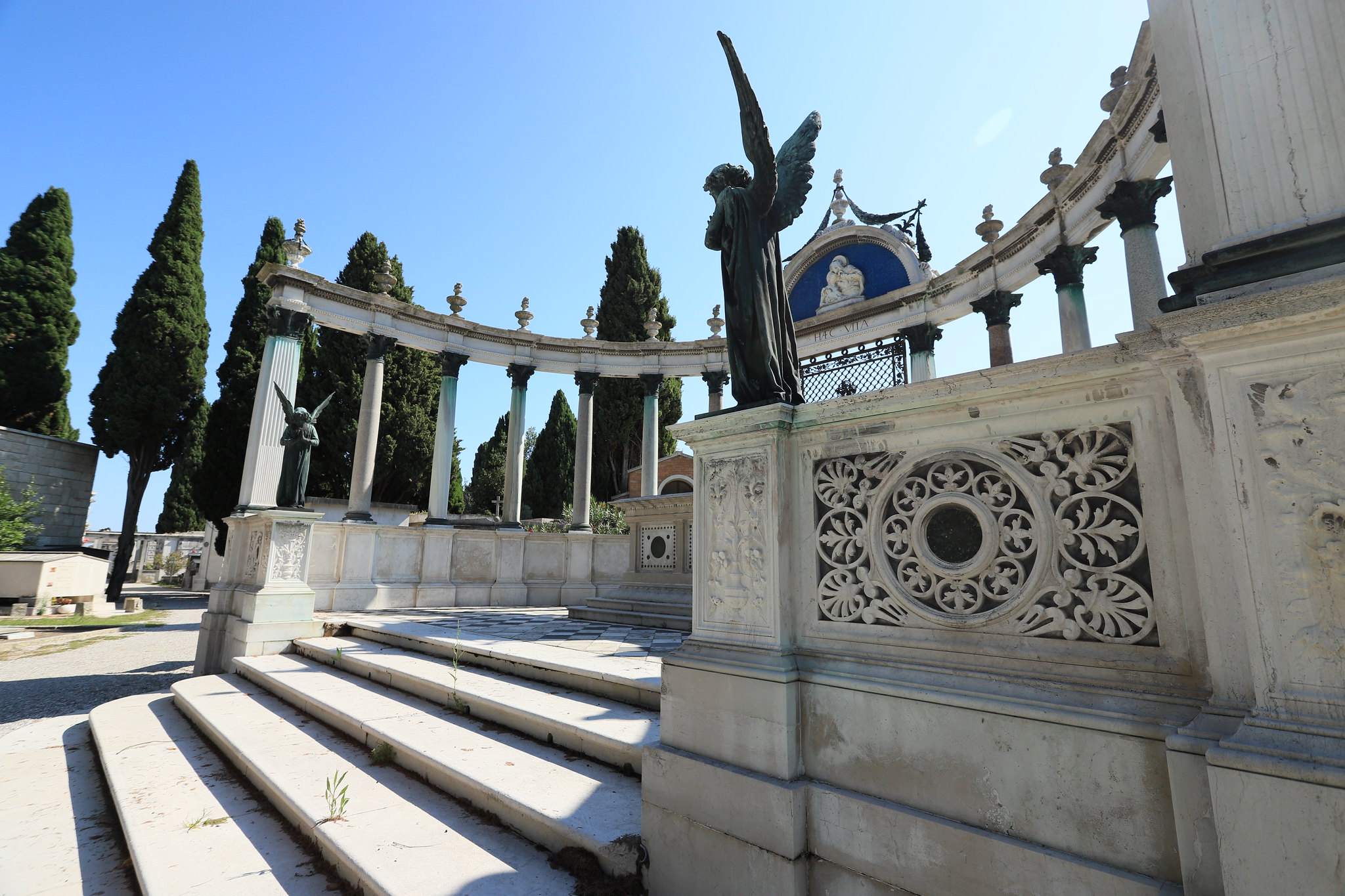
Cemetery on San Michele Island, Venice, 2019 / Cintorín na ostrove San Michele v Benátkach, 2019 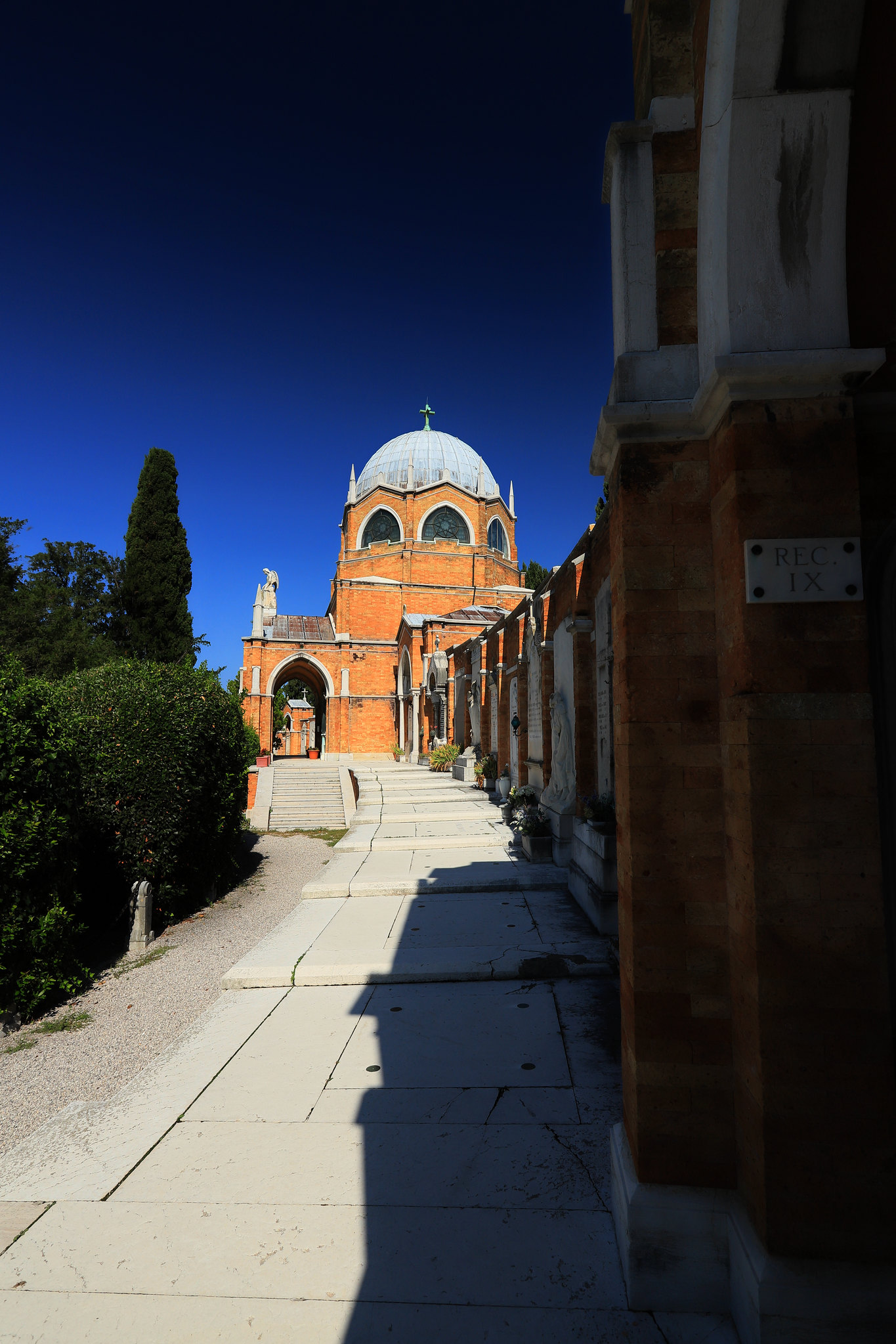
Cemetery on San Michele Island, Venice, 2019 / Cintorín na ostrove San Michele v Benátkach, 2019 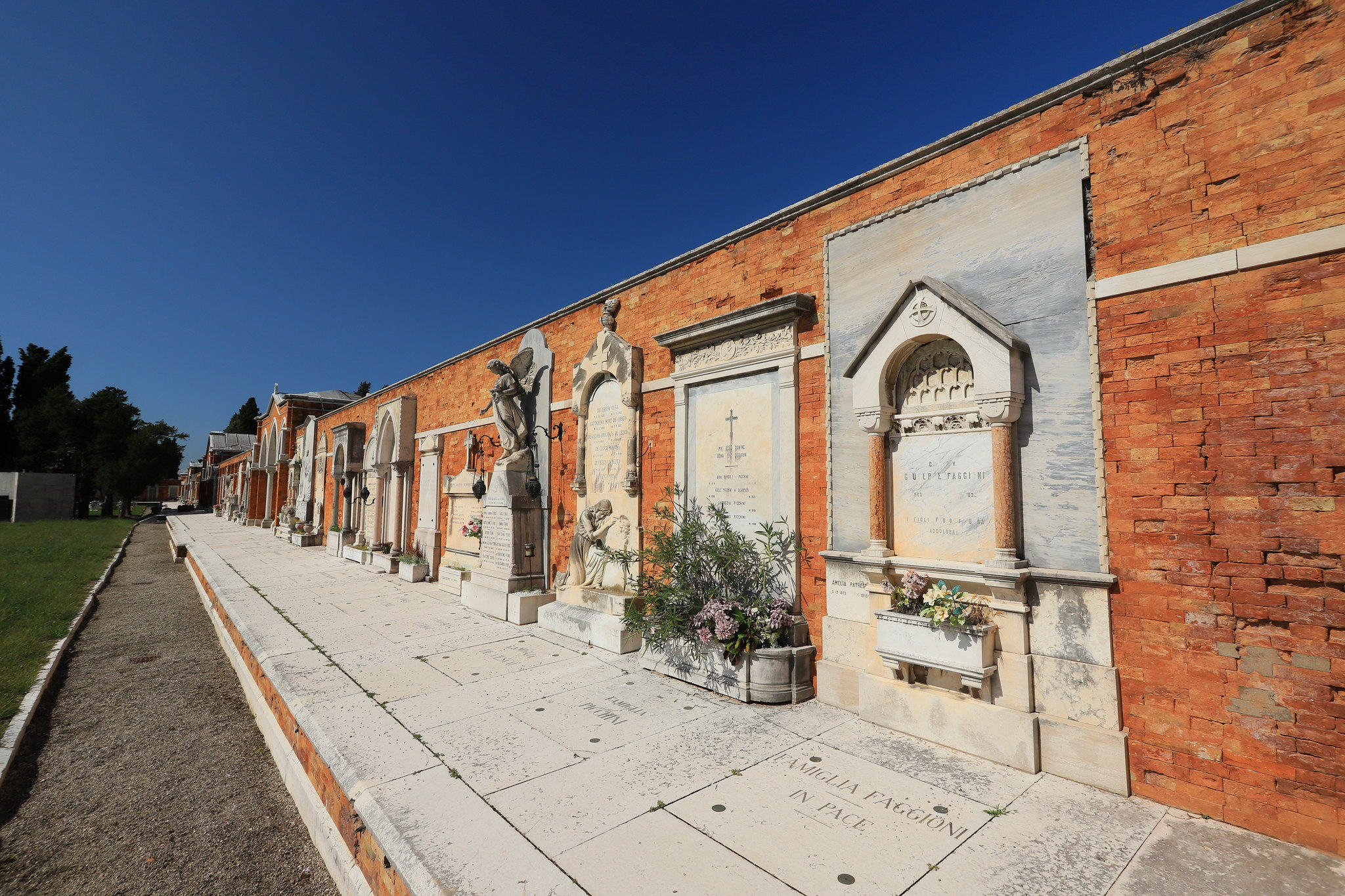
Cemetery on San Michele Island, Venice, 2019 / Cintorín na ostrove San Michele v Benátkach, 2019 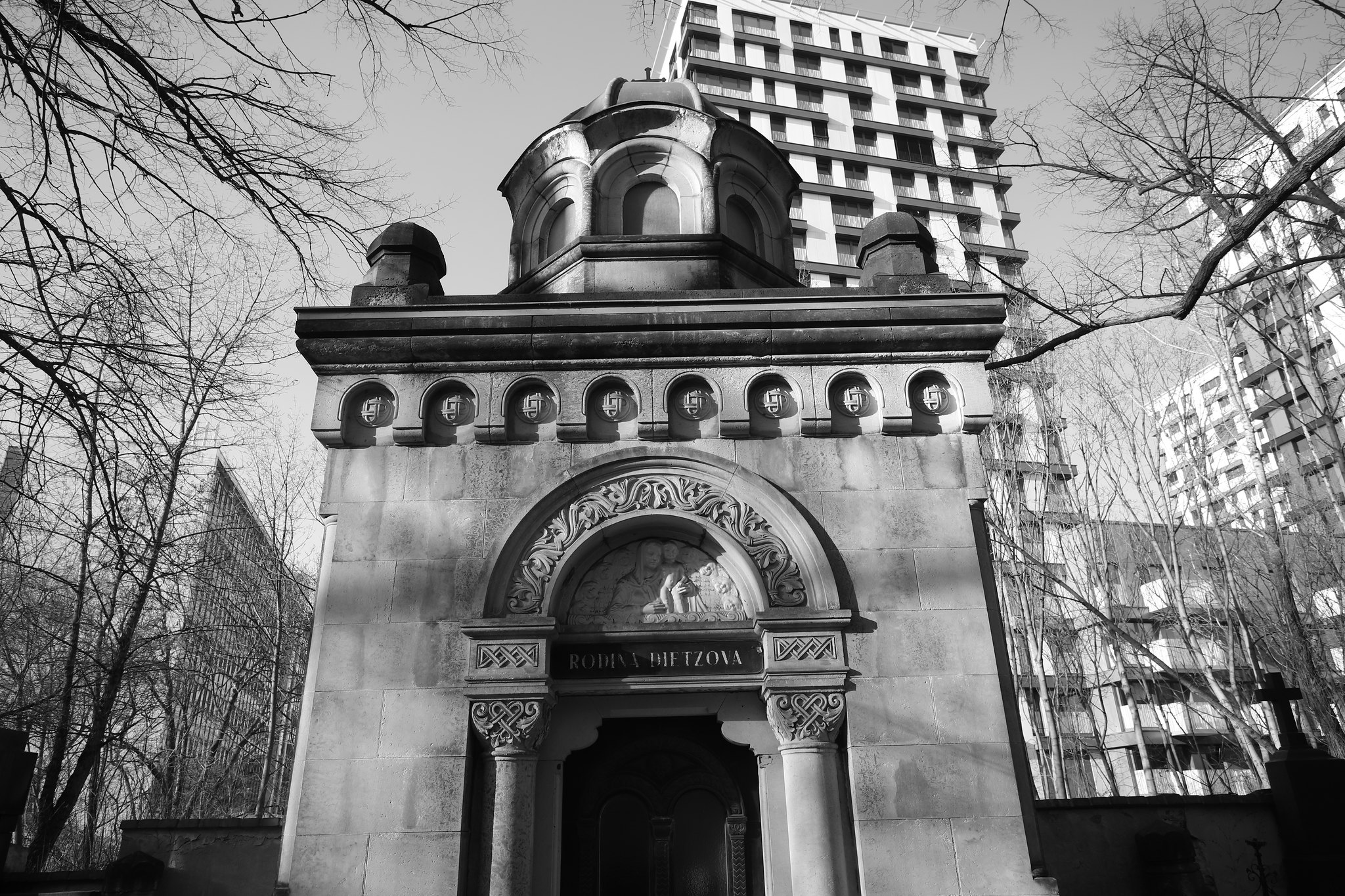
Olšany cemeteries, Prague, 2019 / Olšanské cintoríny, Praha, 2019 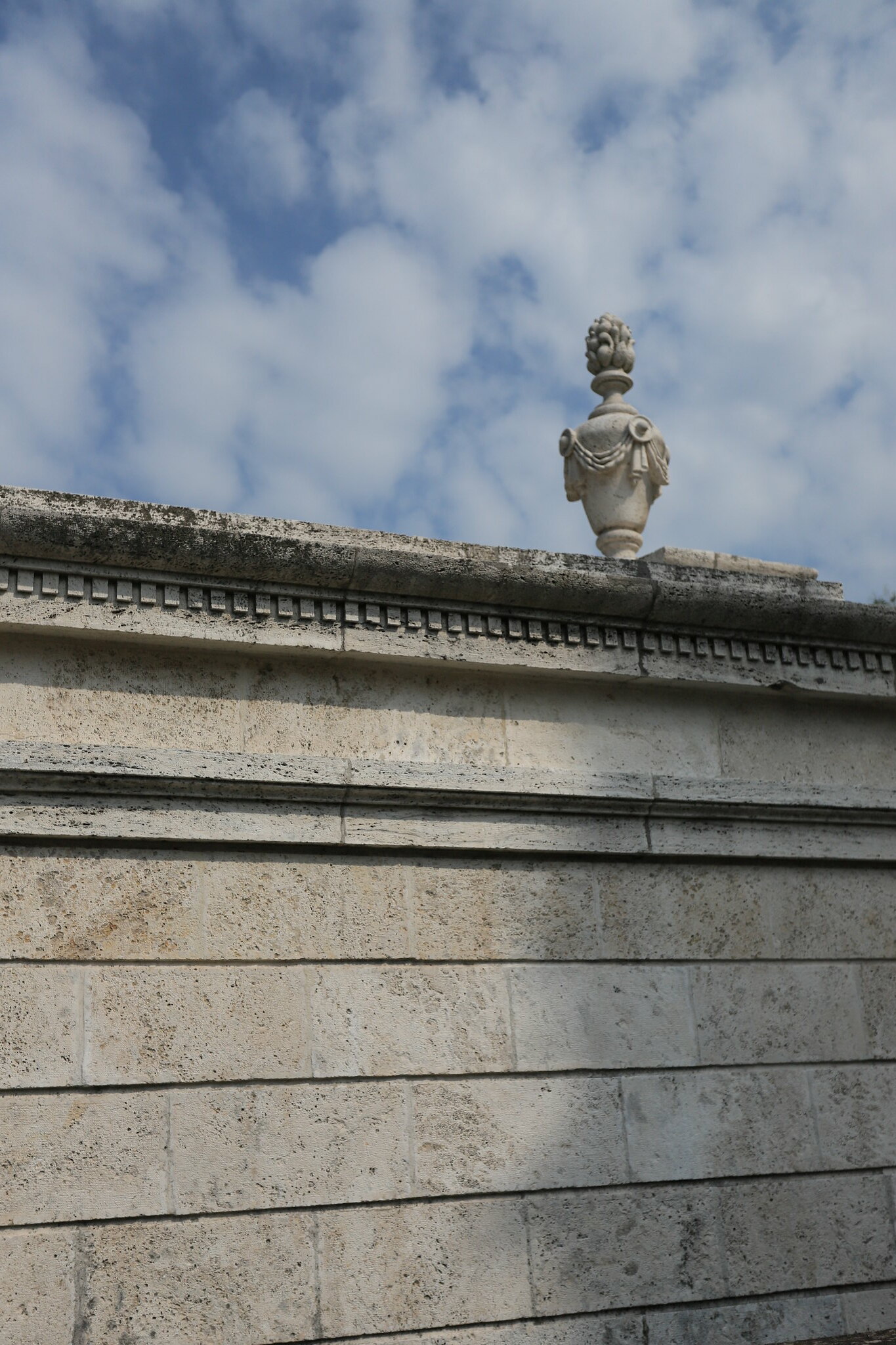
Rozália cemetery, Košice, 2019 / Cintorín Rozália, Košice, 2019 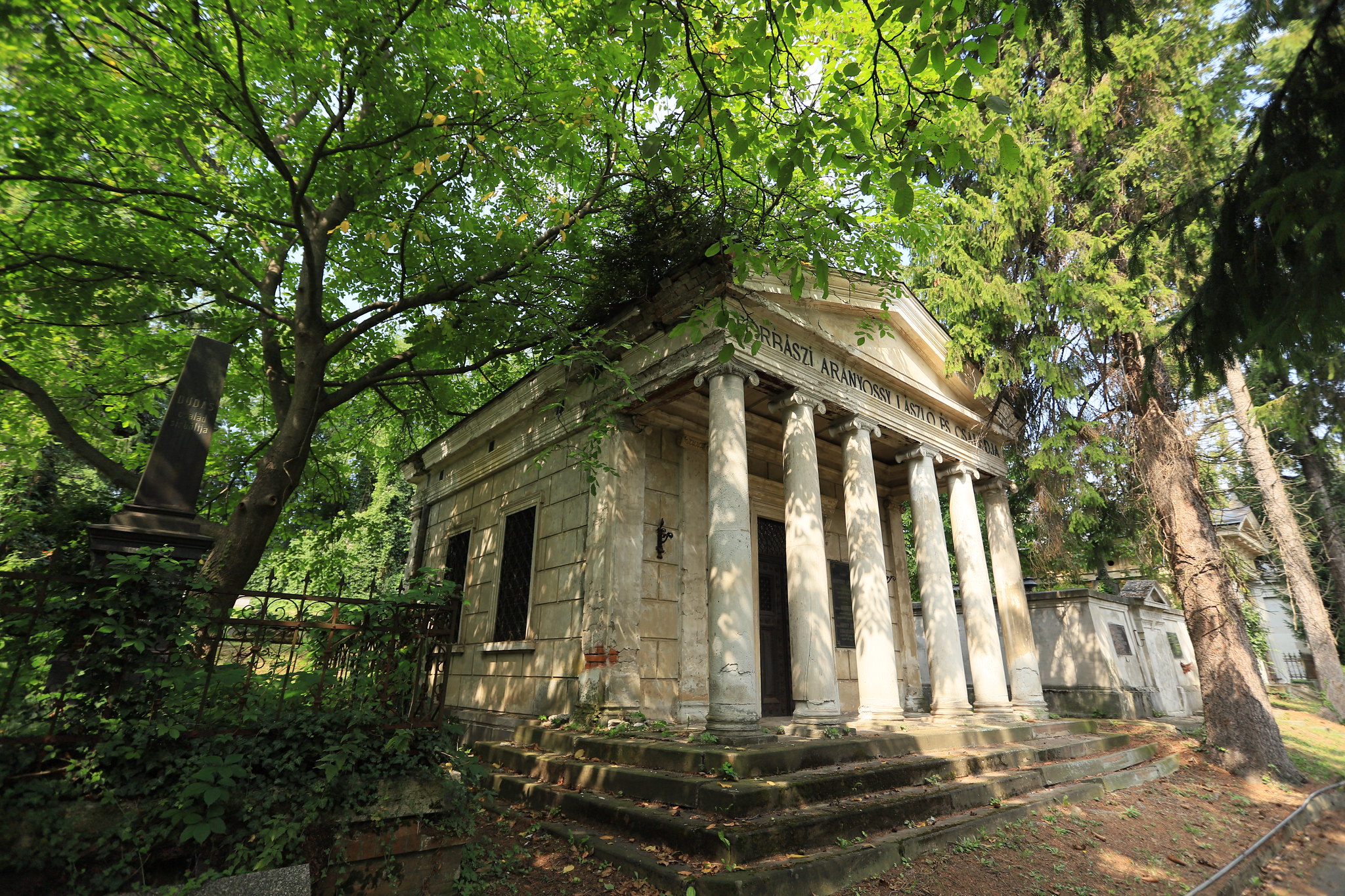
Rozália cemetery, Košice, 2019 / Cintorín Rozália, Košice, 2019 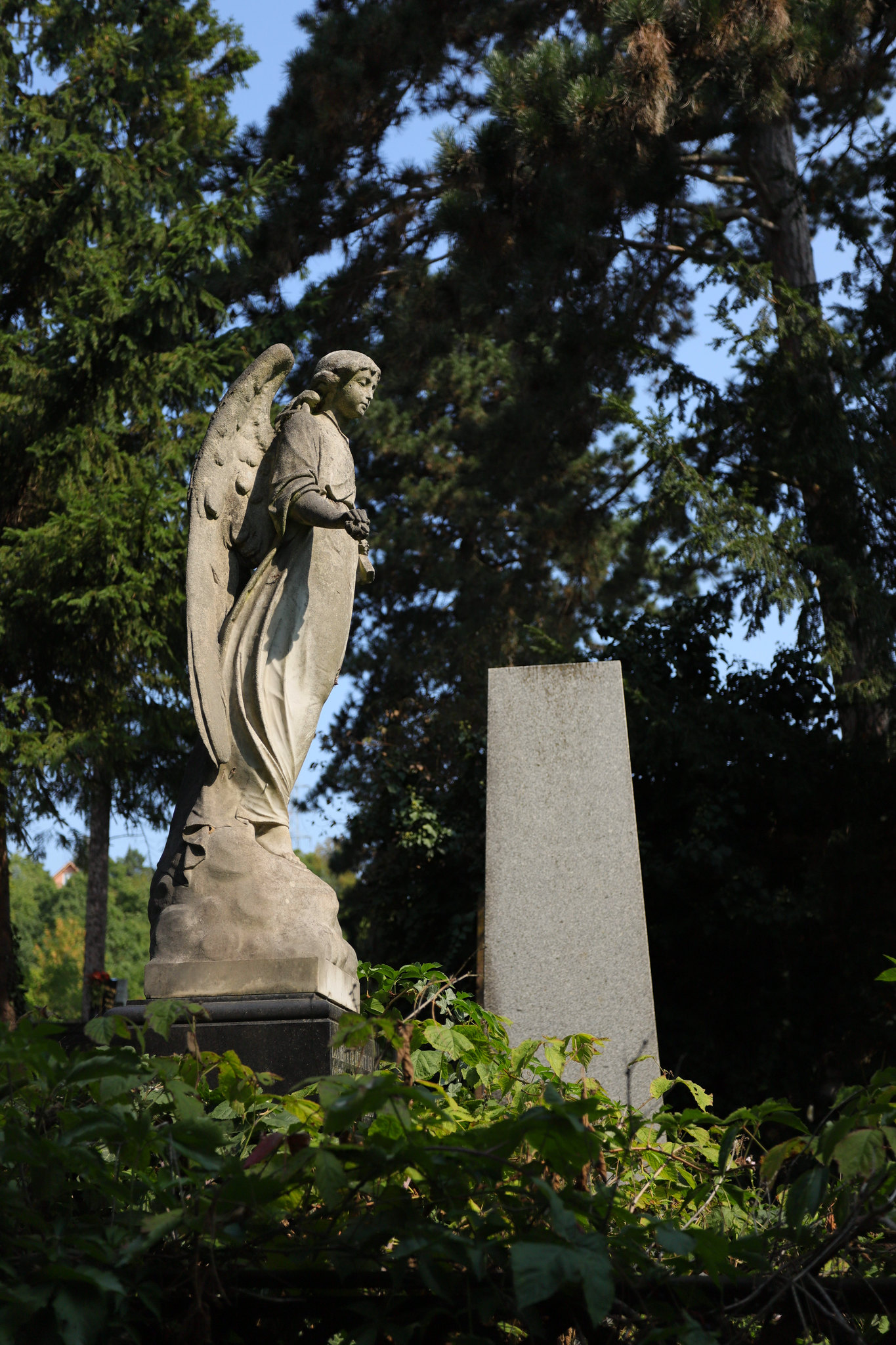
Rozália cemetery, Košice, 2019 / Cintorín Rozália, Košice, 2019 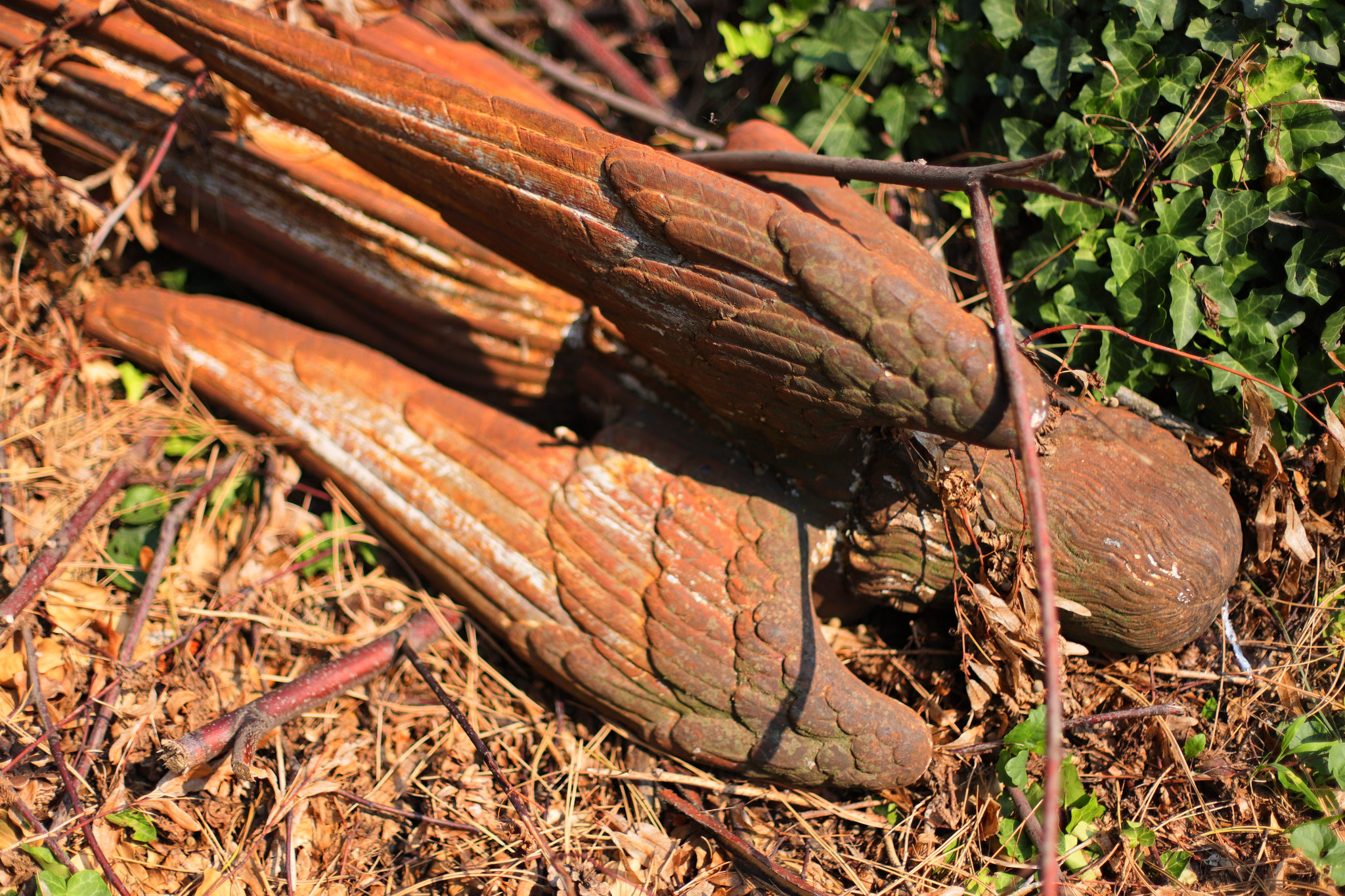
Rozália cemetery, Košice, 2019 / Cintorín Rozália, Košice, 2019 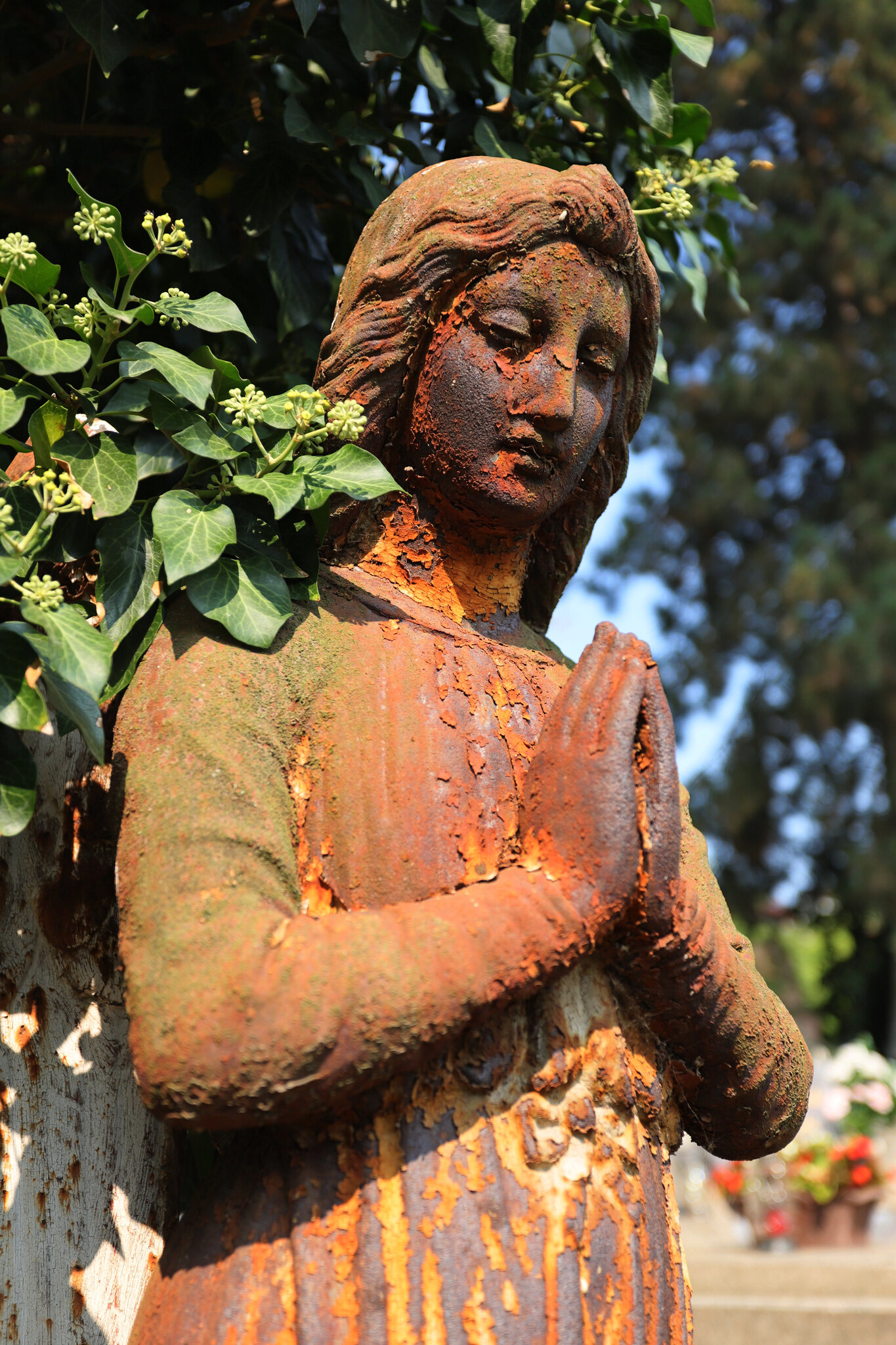
Rozália cemetery, Košice, 2019 / Cintorín Rozália, Košice, 2019 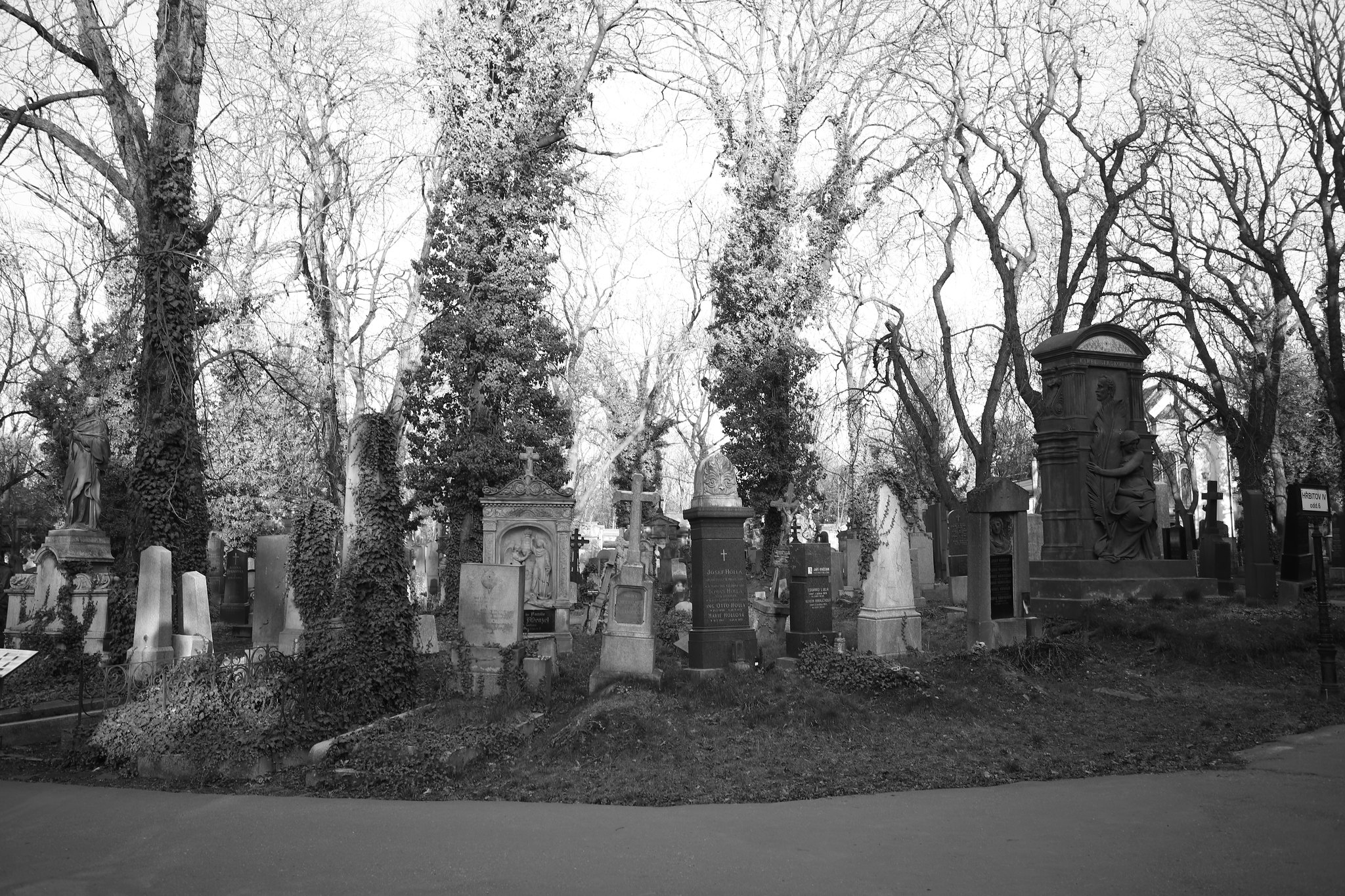
Olšany cemeteries, Prague, 2019 / Olšanské cintoríny, Praha, 2019 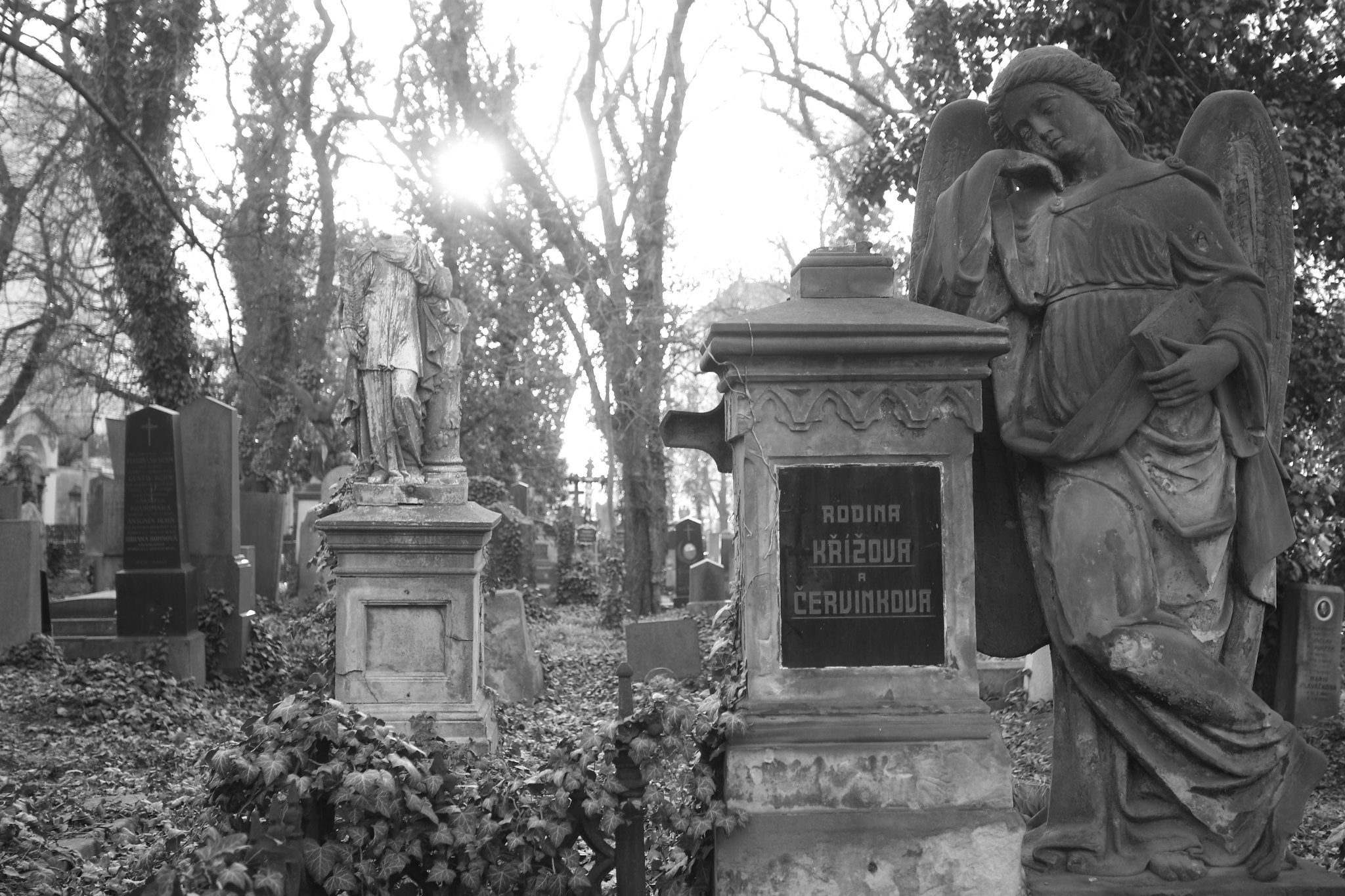
Olšany cemeteries, Prague, 2019 / Olšanské cintoríny, Praha, 2019 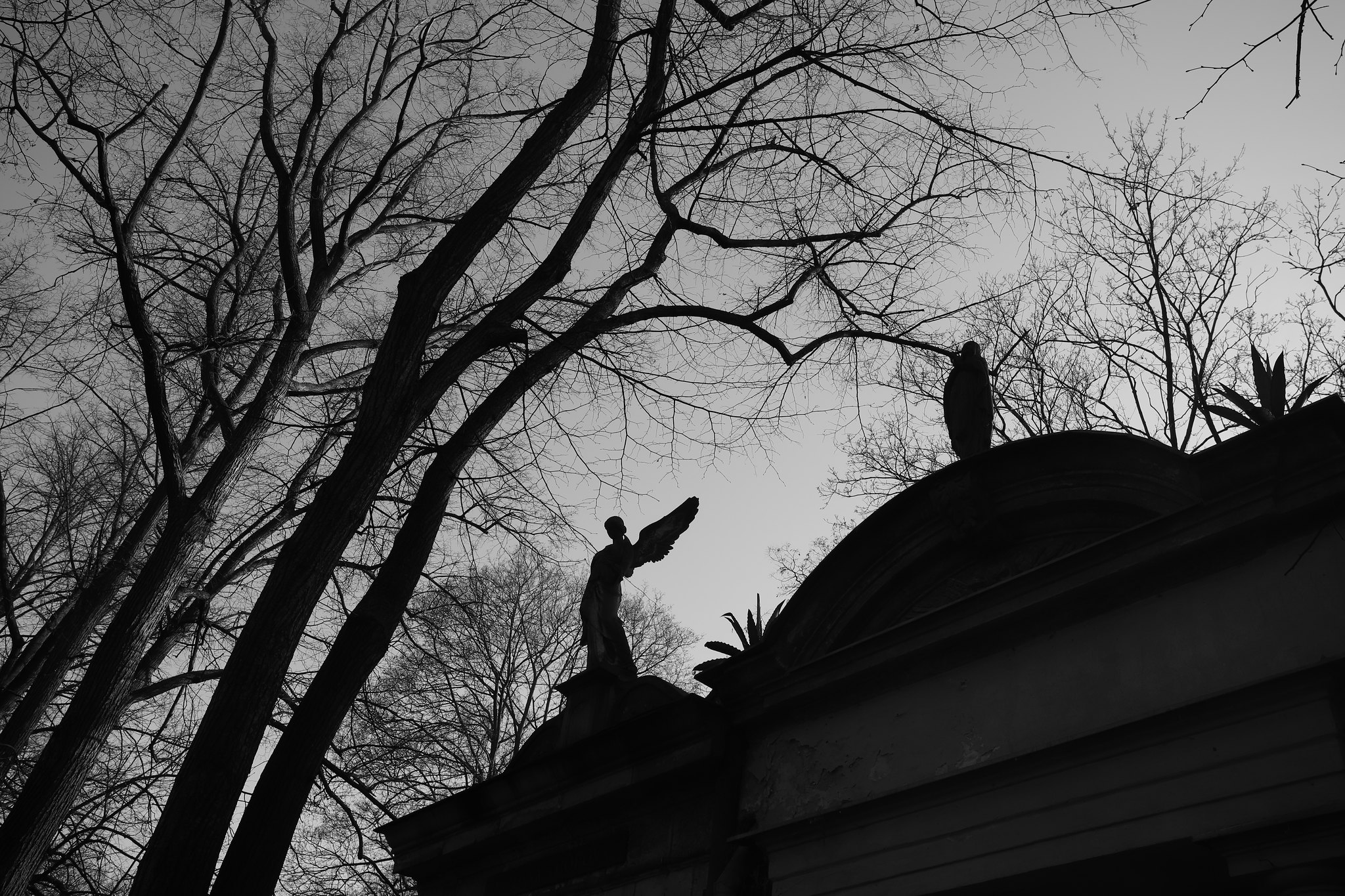
Olšany cemeteries, Prague, 2019 / Olšanské cintoríny, Praha, 2019 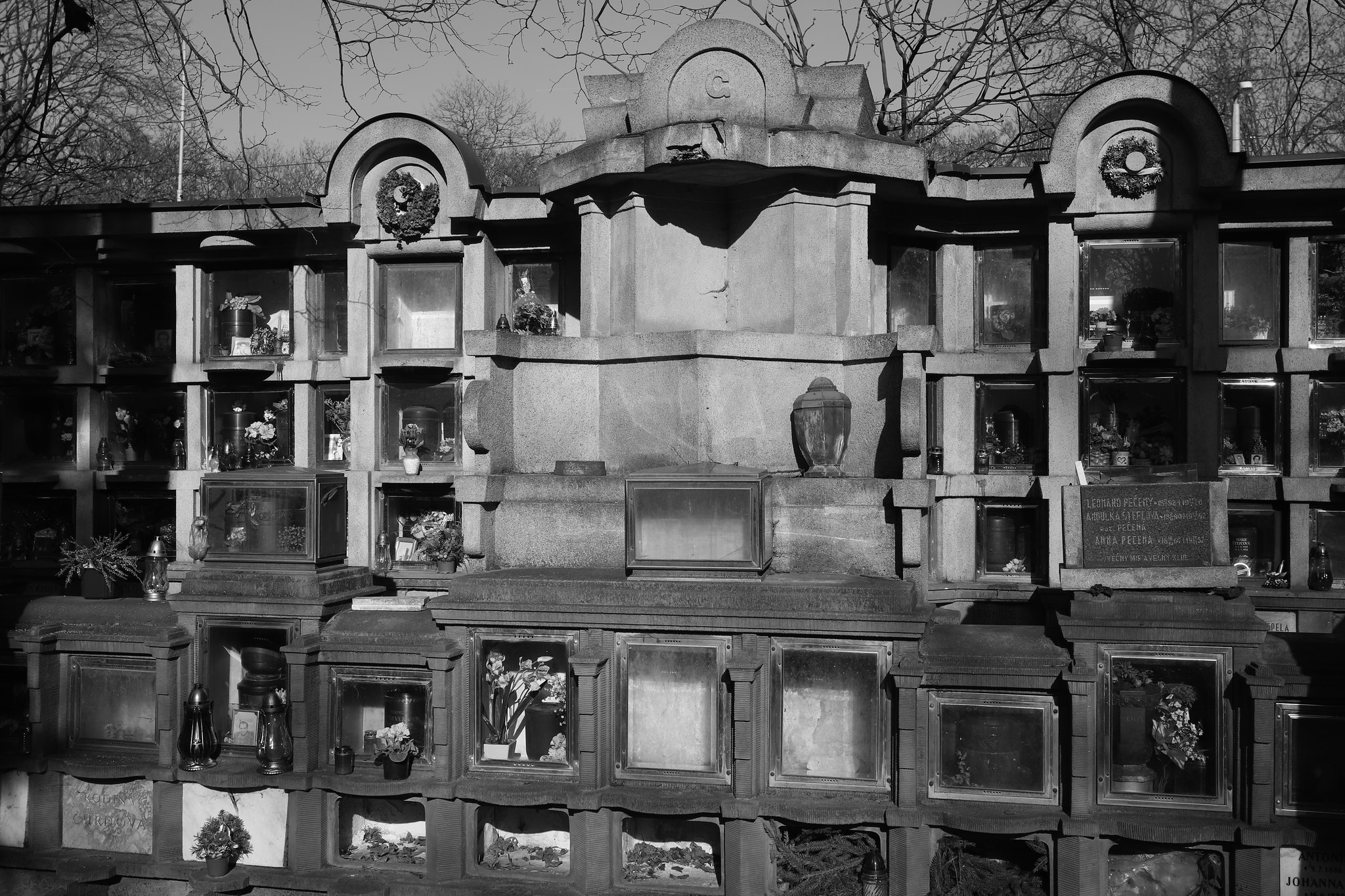
Olšany cemeteries, Prague, 2019 / Olšanské cintoríny, Praha, 2019 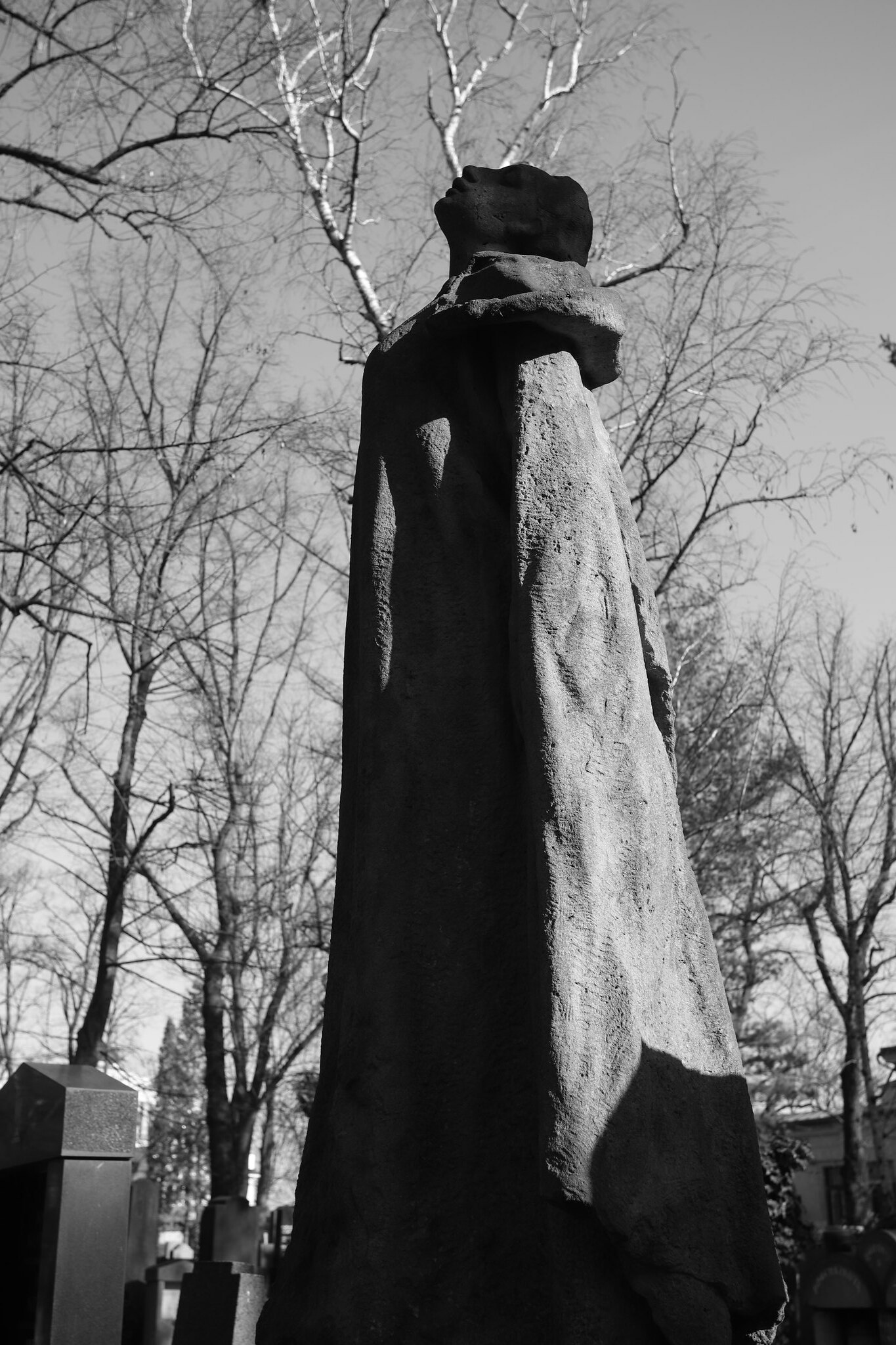
Olšany cemeteries, Prague, 2019 / Olšanské cintoríny, Praha, 2019 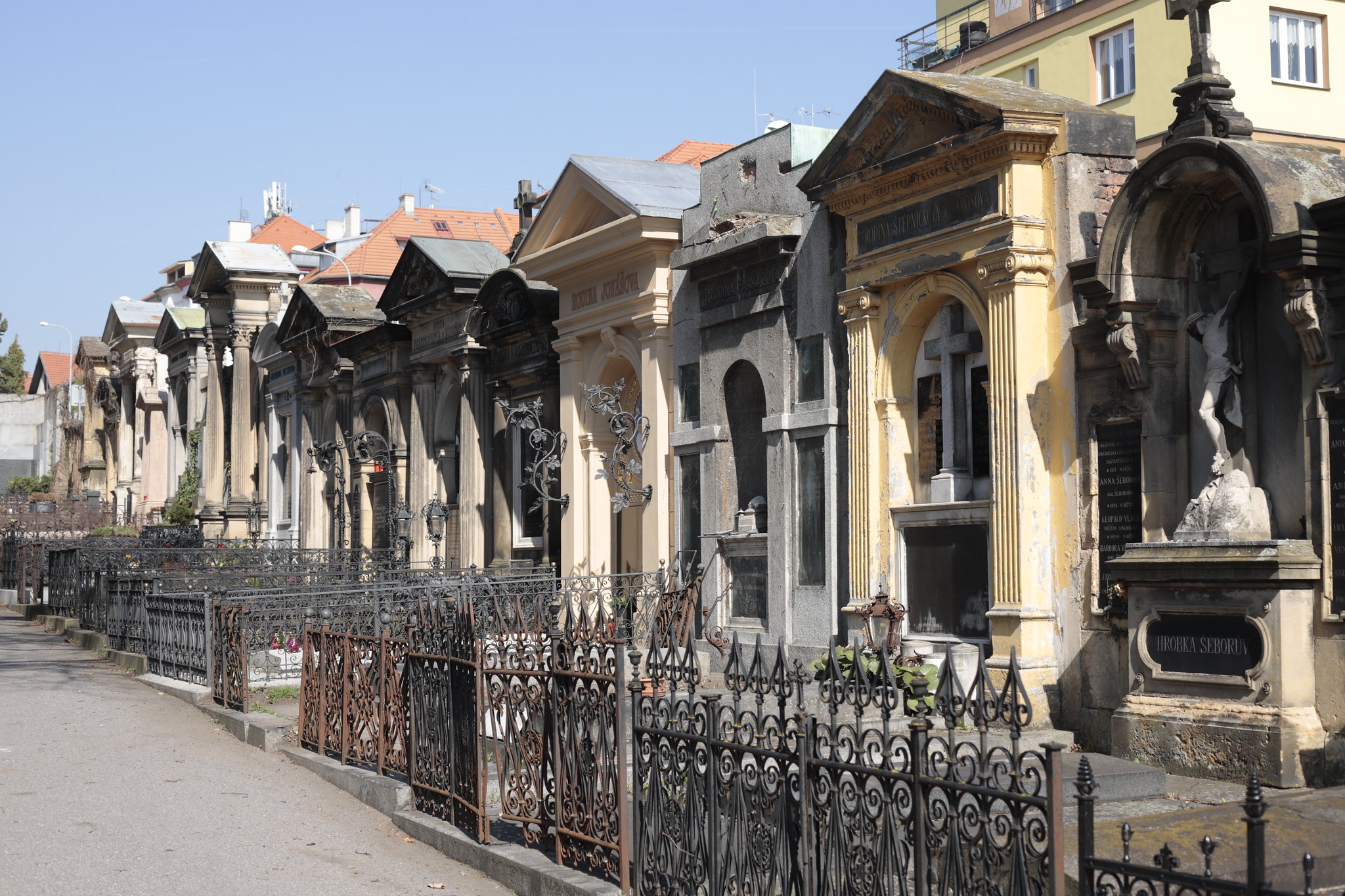
Malvazinky cemetery, Prague, 2019 / Cintorín Malvazinky, Praha, 2019 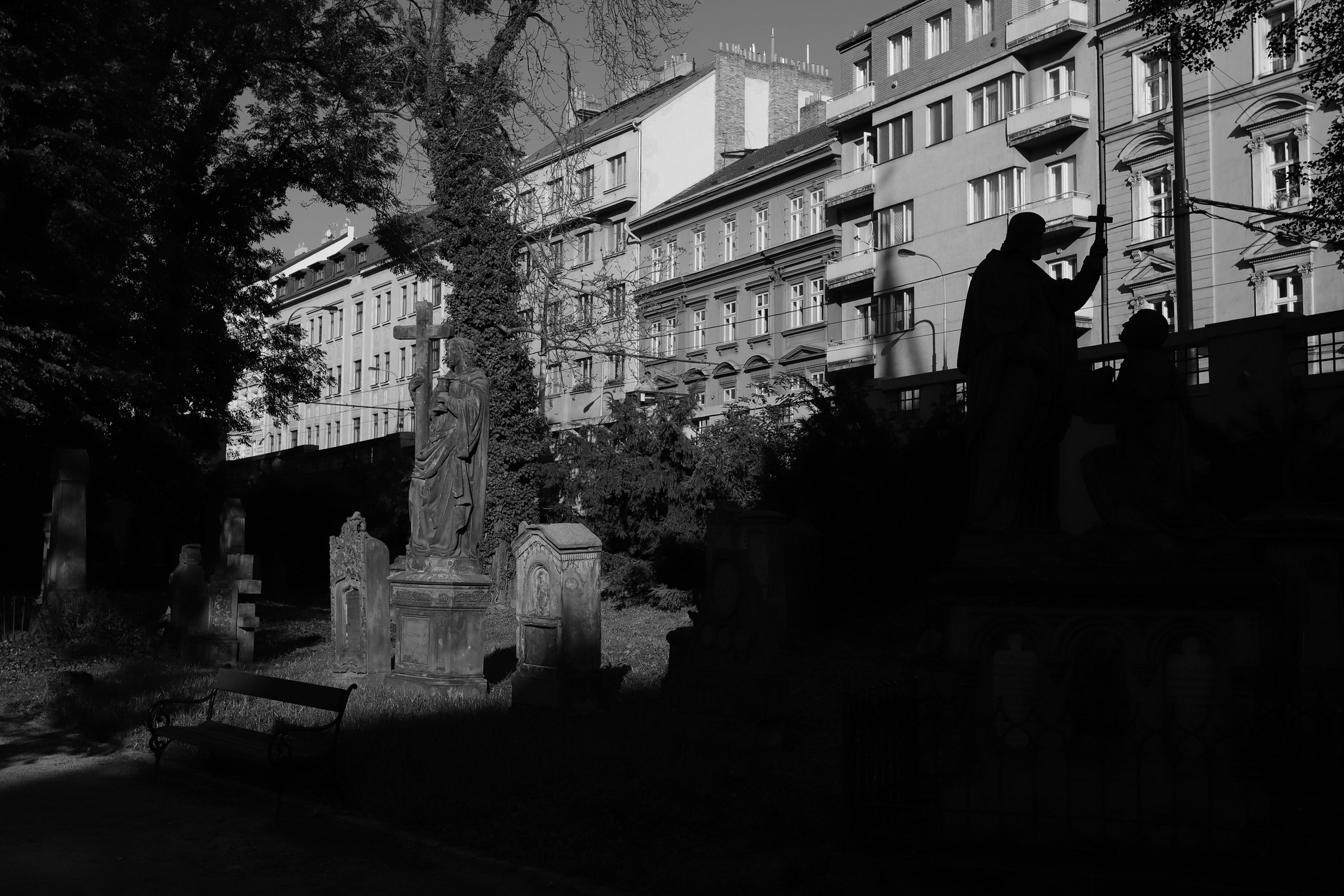
Olšany cemeteries, Prague, 2019 / Olšanské cintoríny, Praha, 2019 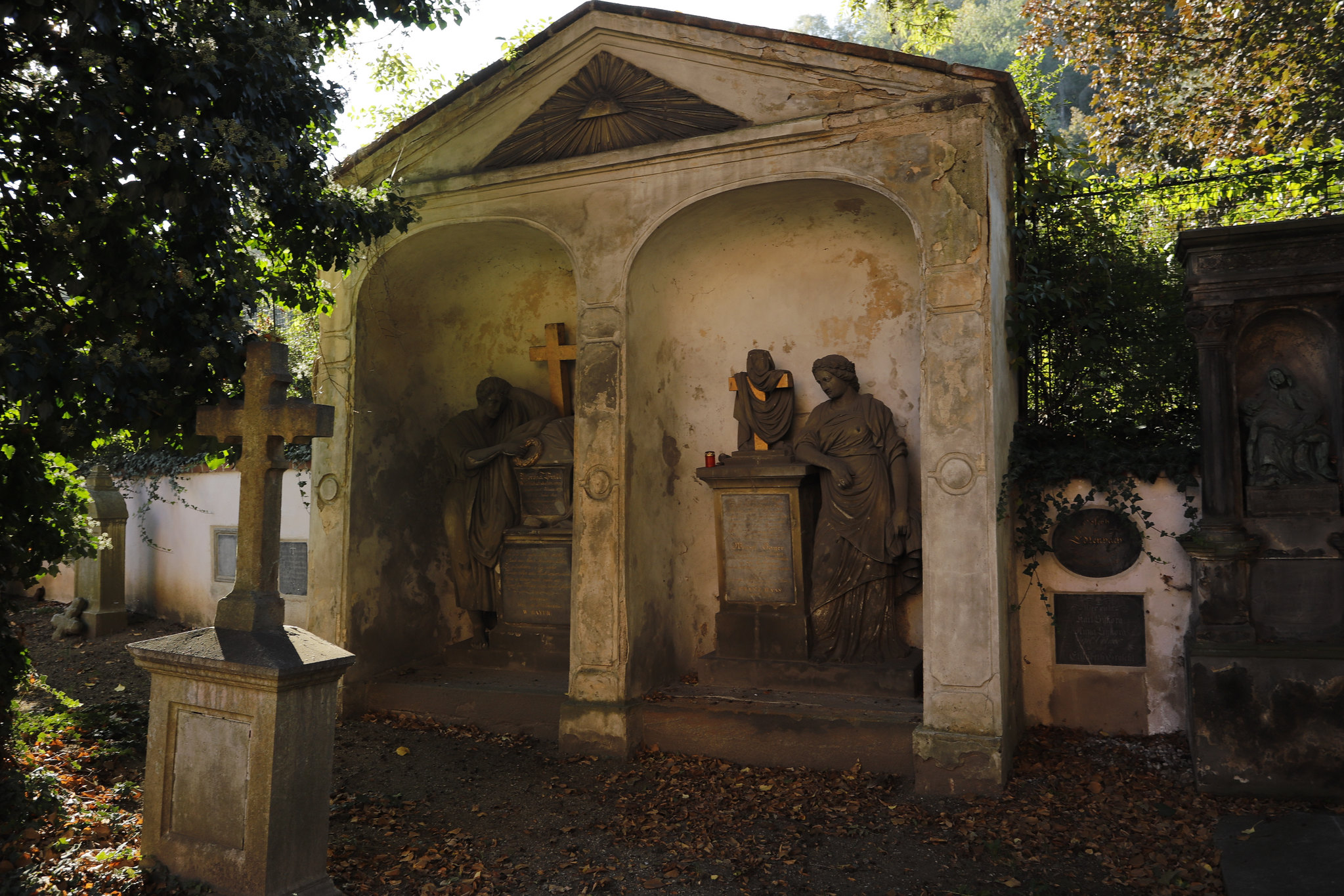
Malostranský cemetery, Prague, 2019 / Malostranský cintorín, Praha, 2019 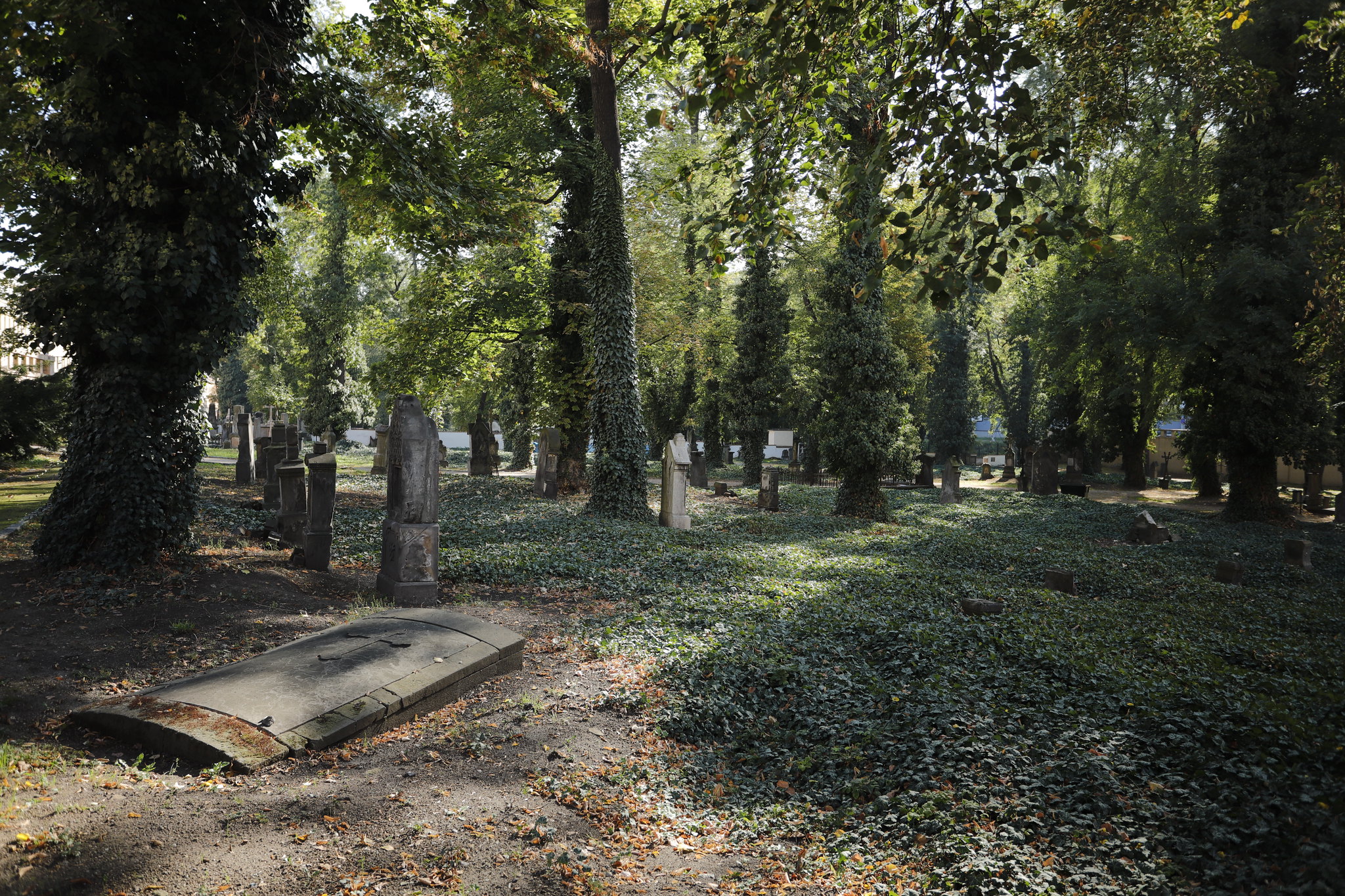
Malostranský cemetery, Prague, 2019 / Malostranský cintorín, Praha, 2019 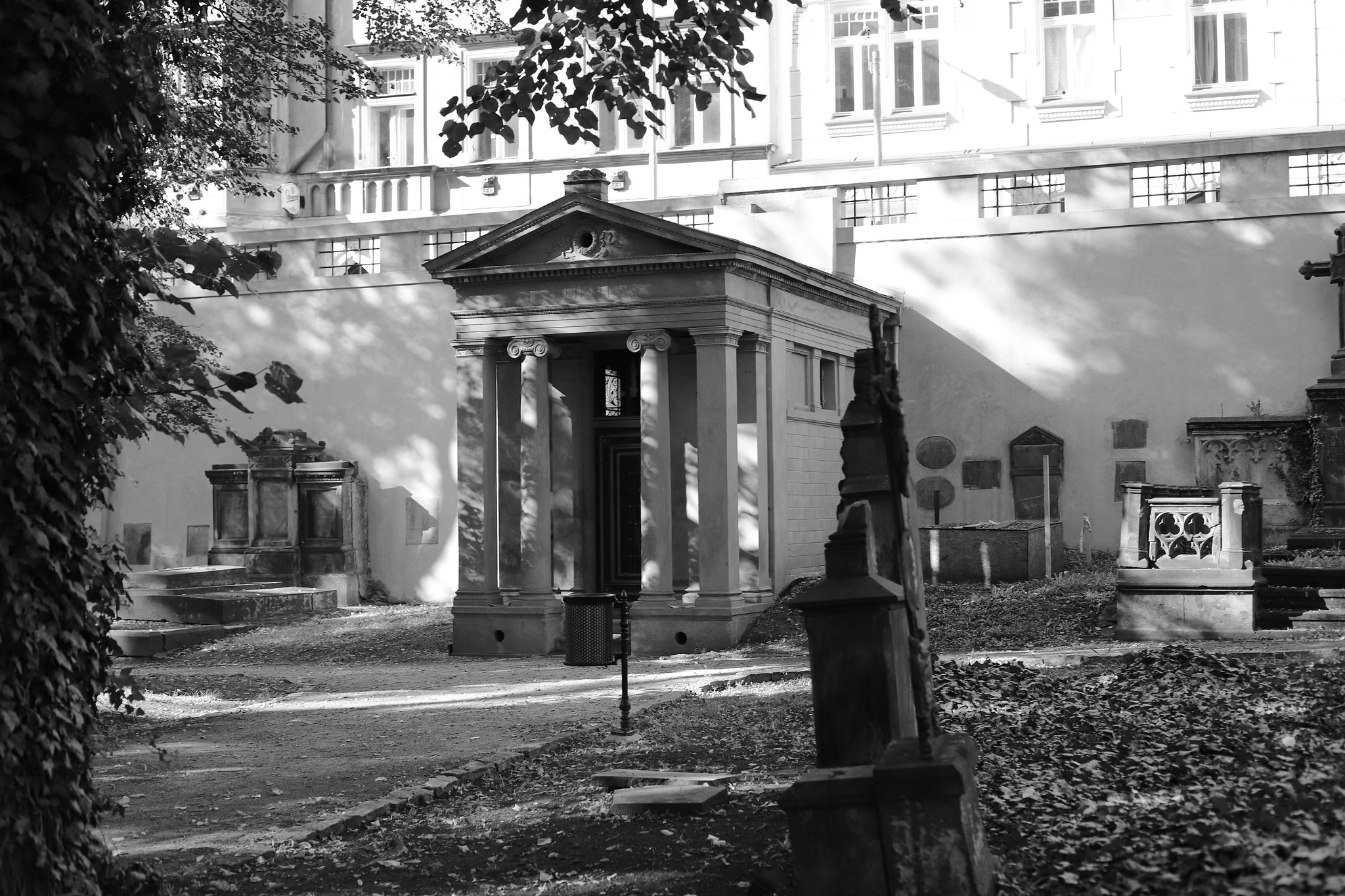
Malostranský cemetery, Prague, 2019 / Malostranský cintorín, Praha, 2019 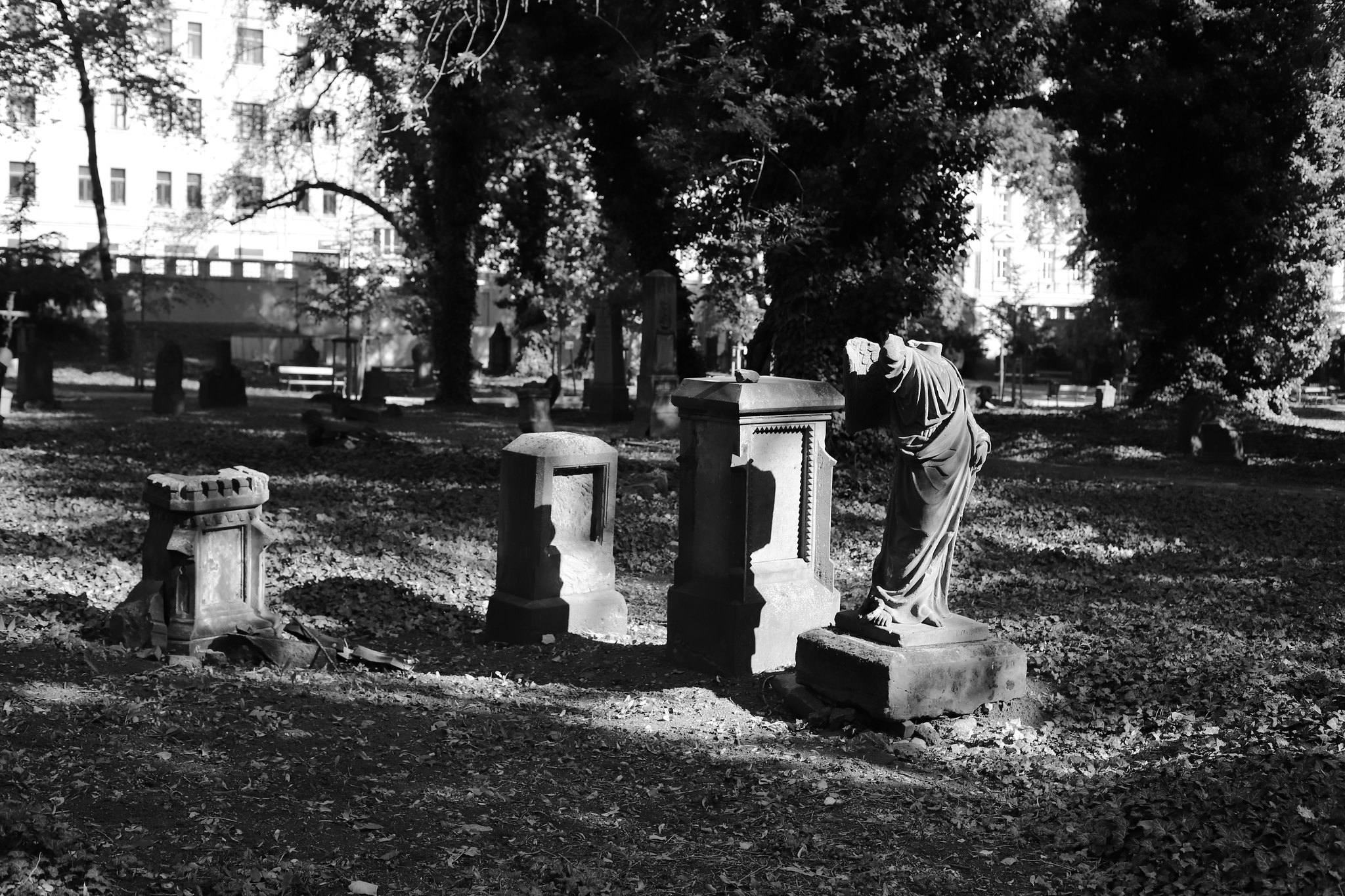
Malostranský cemetery, Prague, 2019 / Malostranský cintorín, Praha, 2019 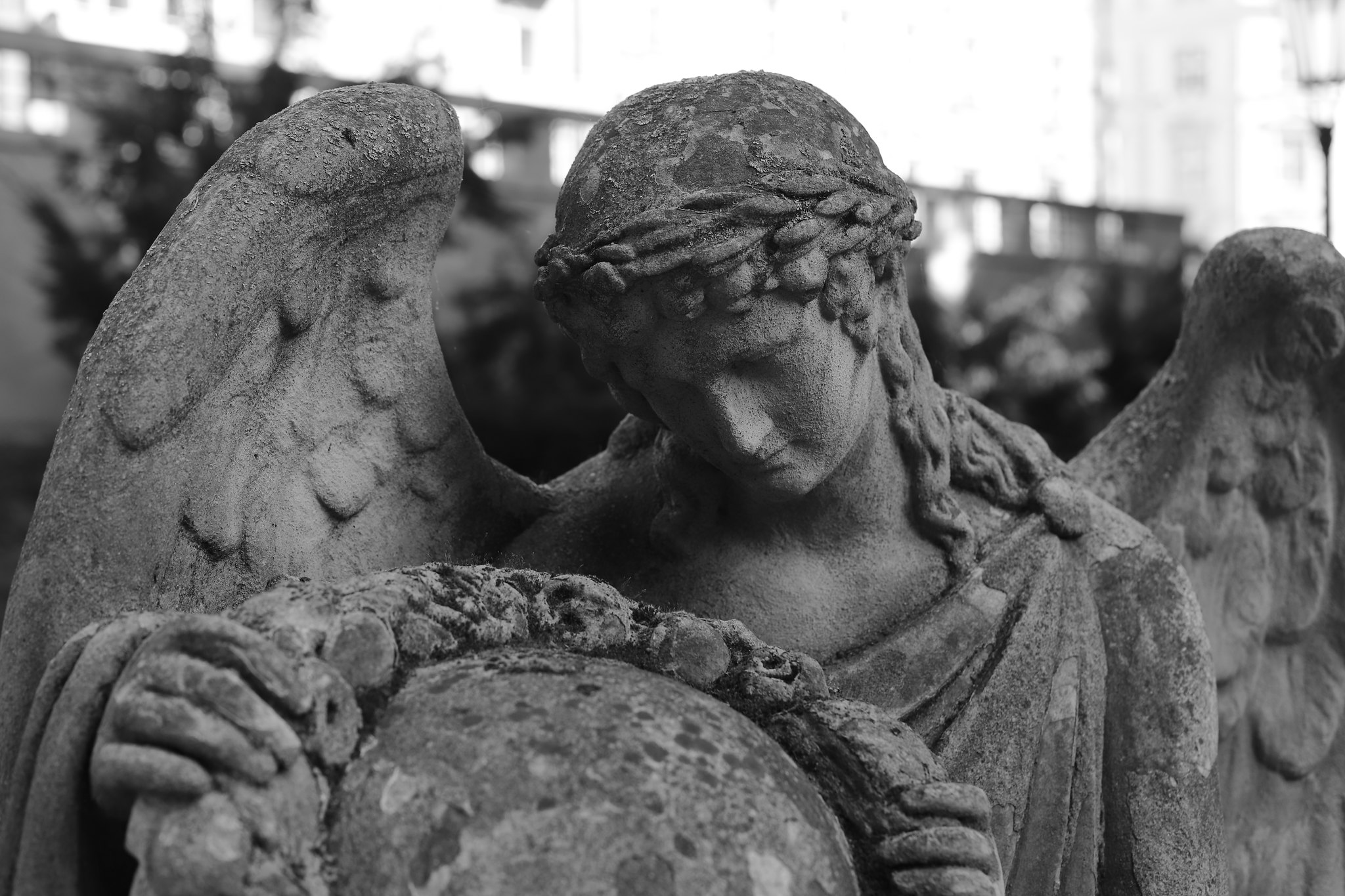
Malostranský cemetery, Prague, 2019 / Malostranský cintorín, Praha, 2019 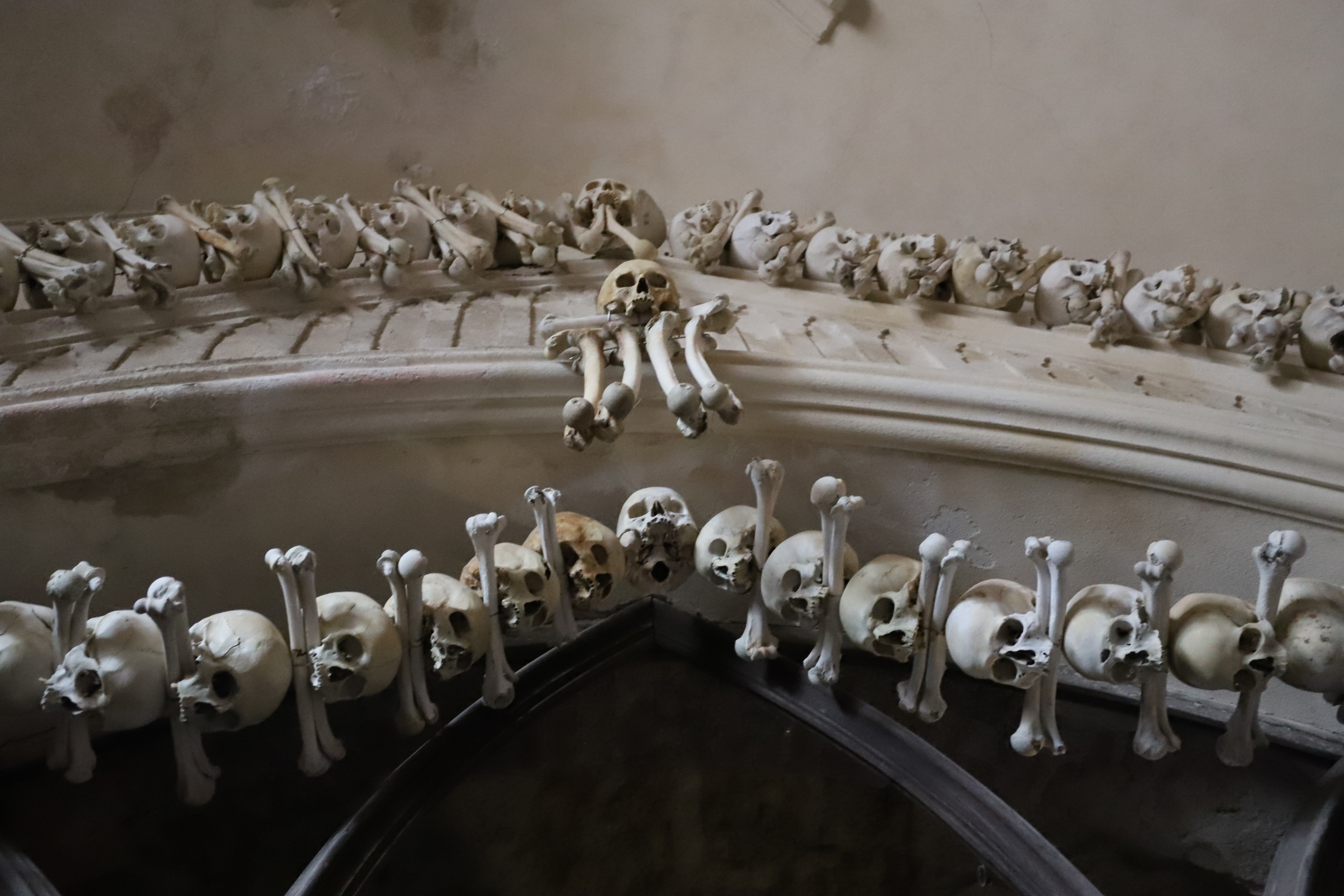
Church of All Saints with ossuary, Kutná Hora, 2018 / Kostol všetkých svätých s kostnicou, Kutná Hora, 2018 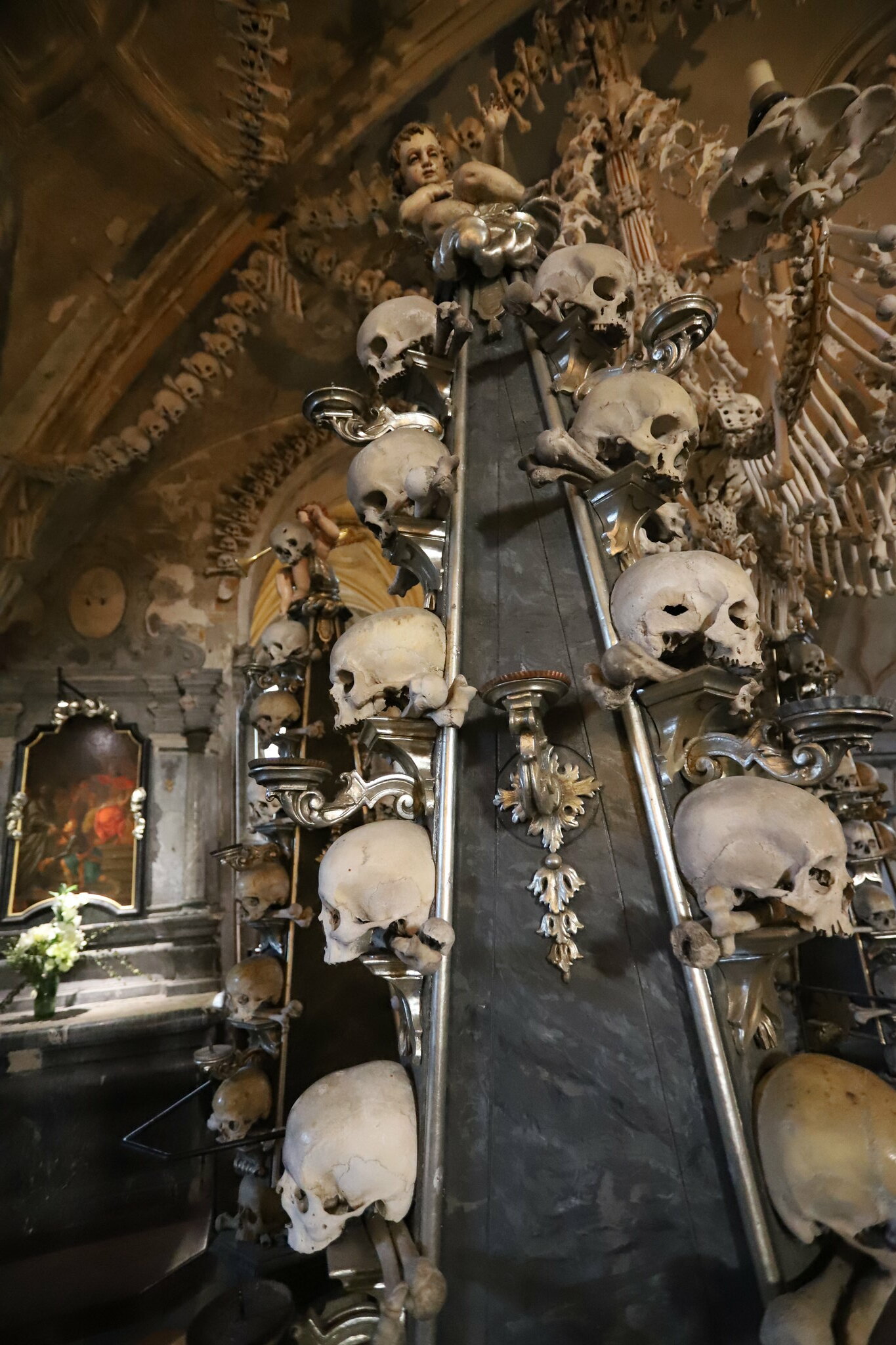
Church of All Saints with ossuary, Kutná Hora, 2018 / Kostol všetkých svätých s kostnicou, Kutná Hora, 2018 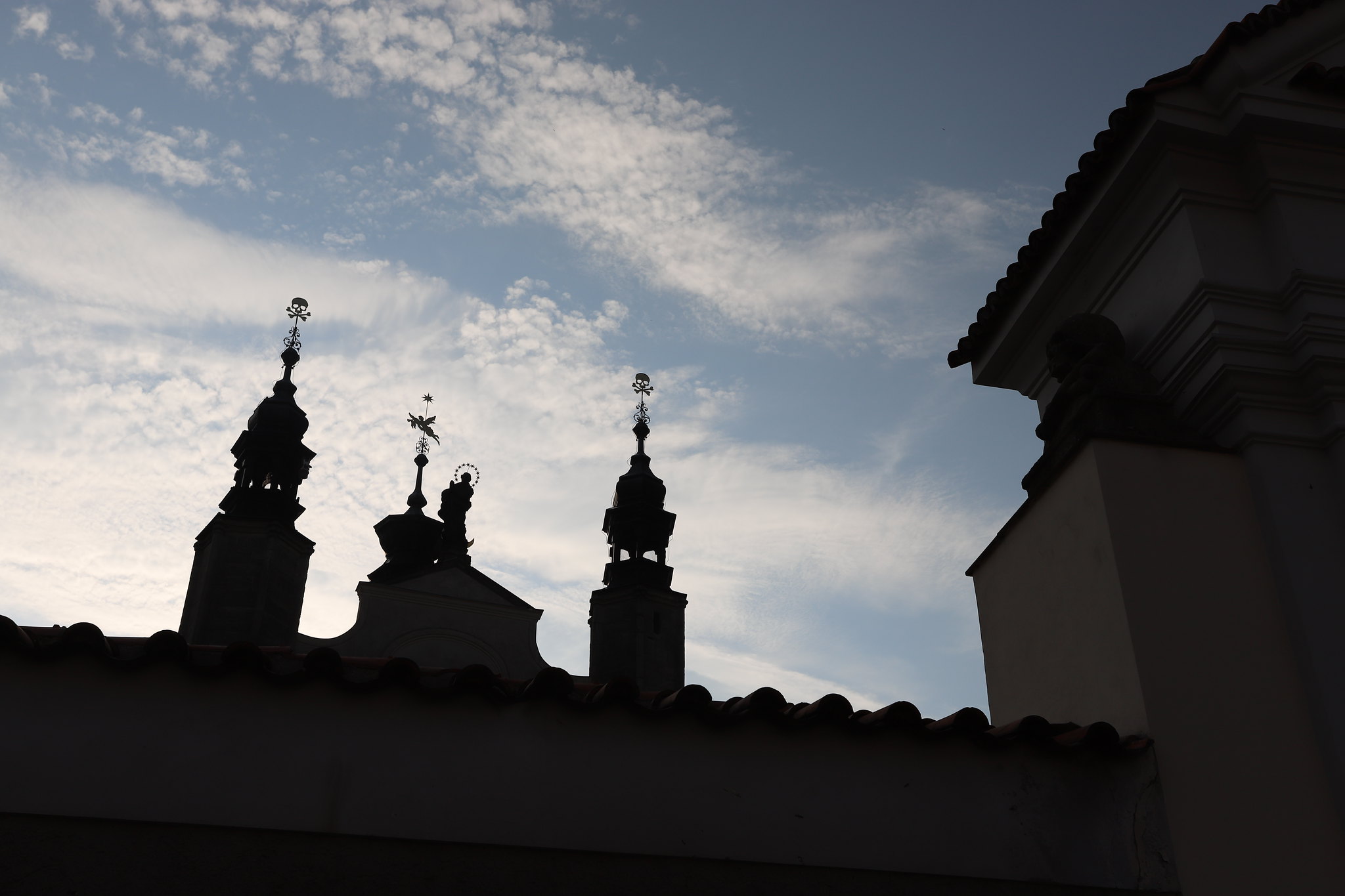
Church of All Saints with ossuary, Kutná Hora, 2018 / Kostol všetkých svätých s kostnicou, Kutná Hora, 2018 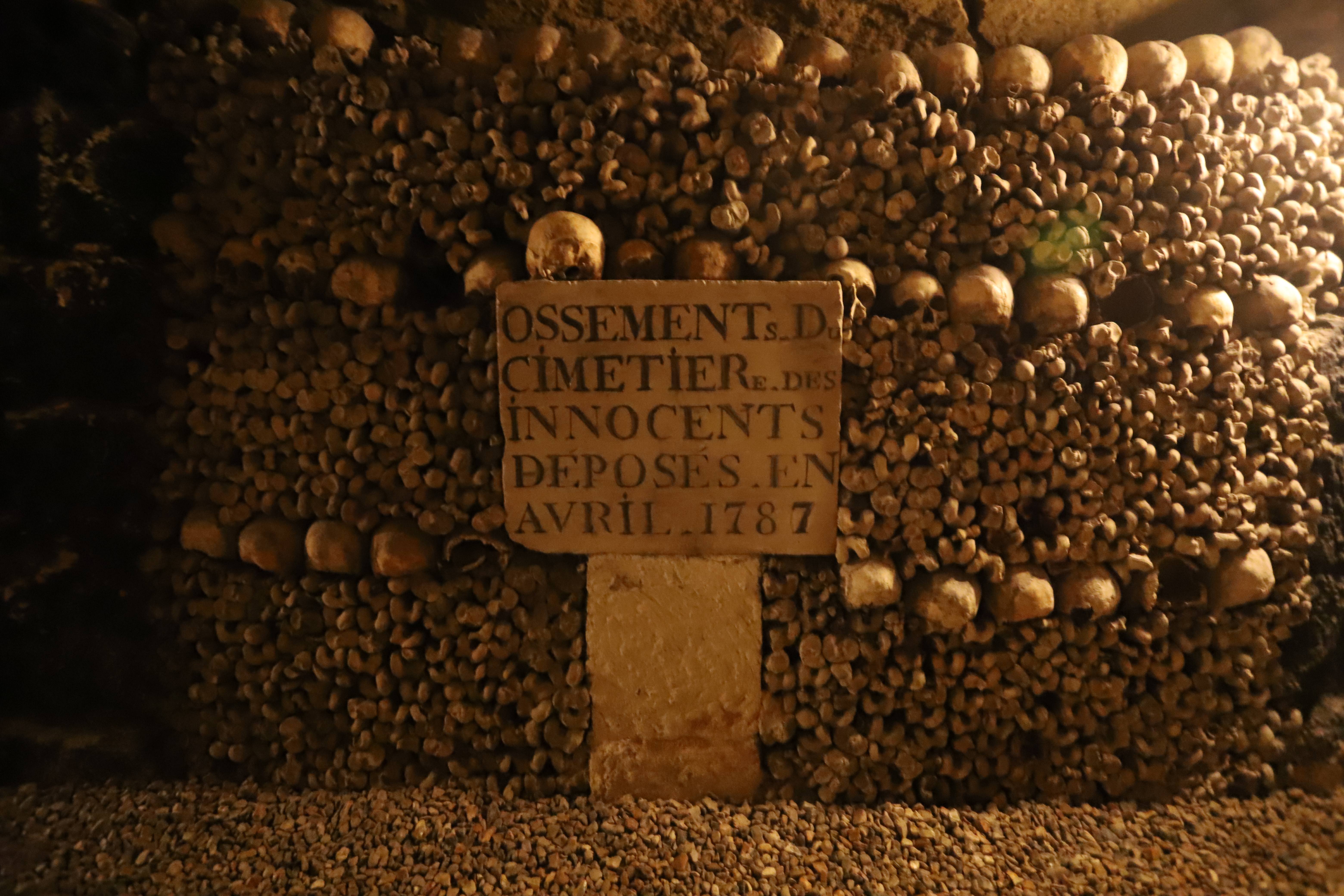
Paris Catacombs, Paris, 2019 / Parížske katakomby, Paríž, 2019 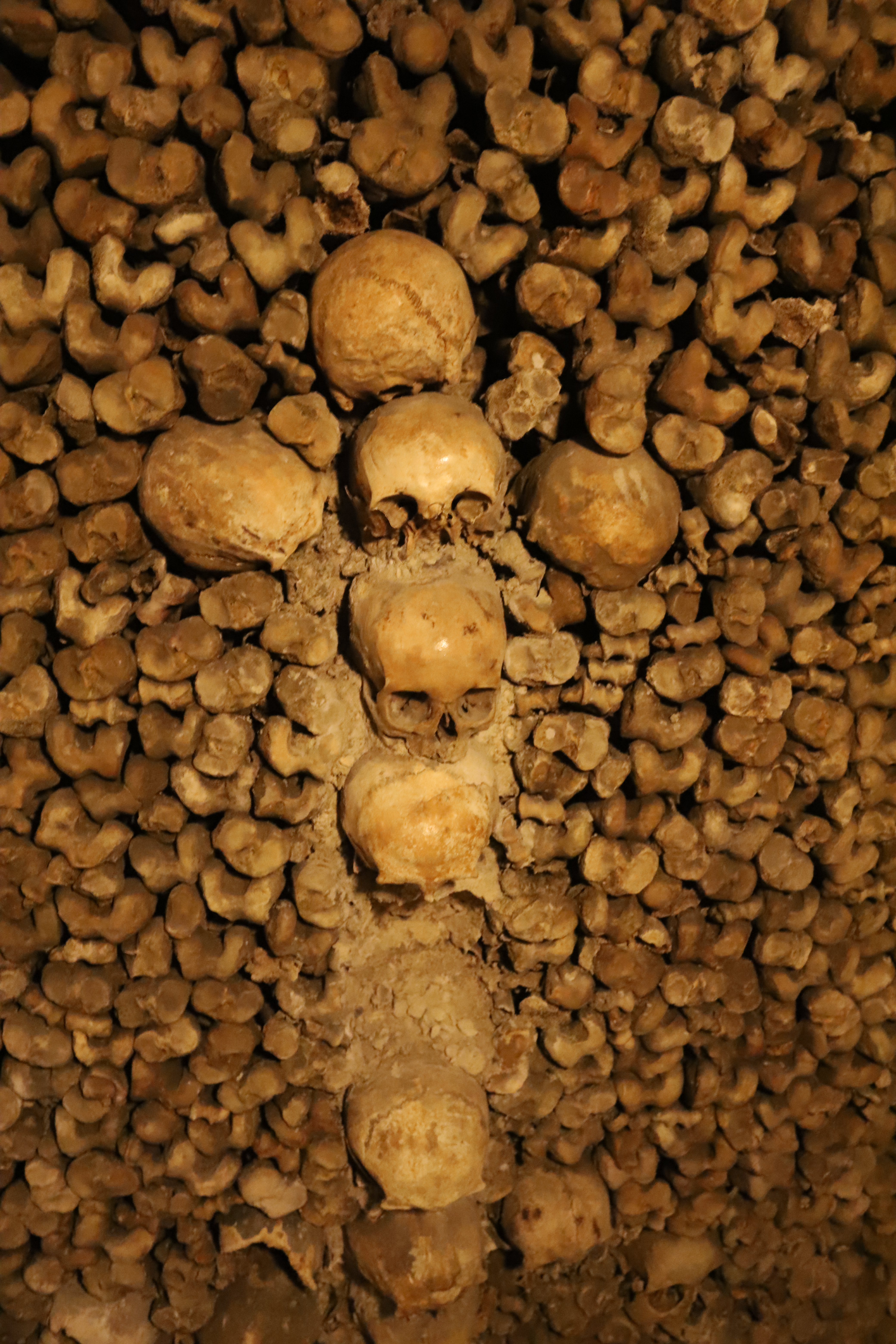
Paris Catacombs, Paris, 2019 / Parížske katakomby, Paríž, 2019 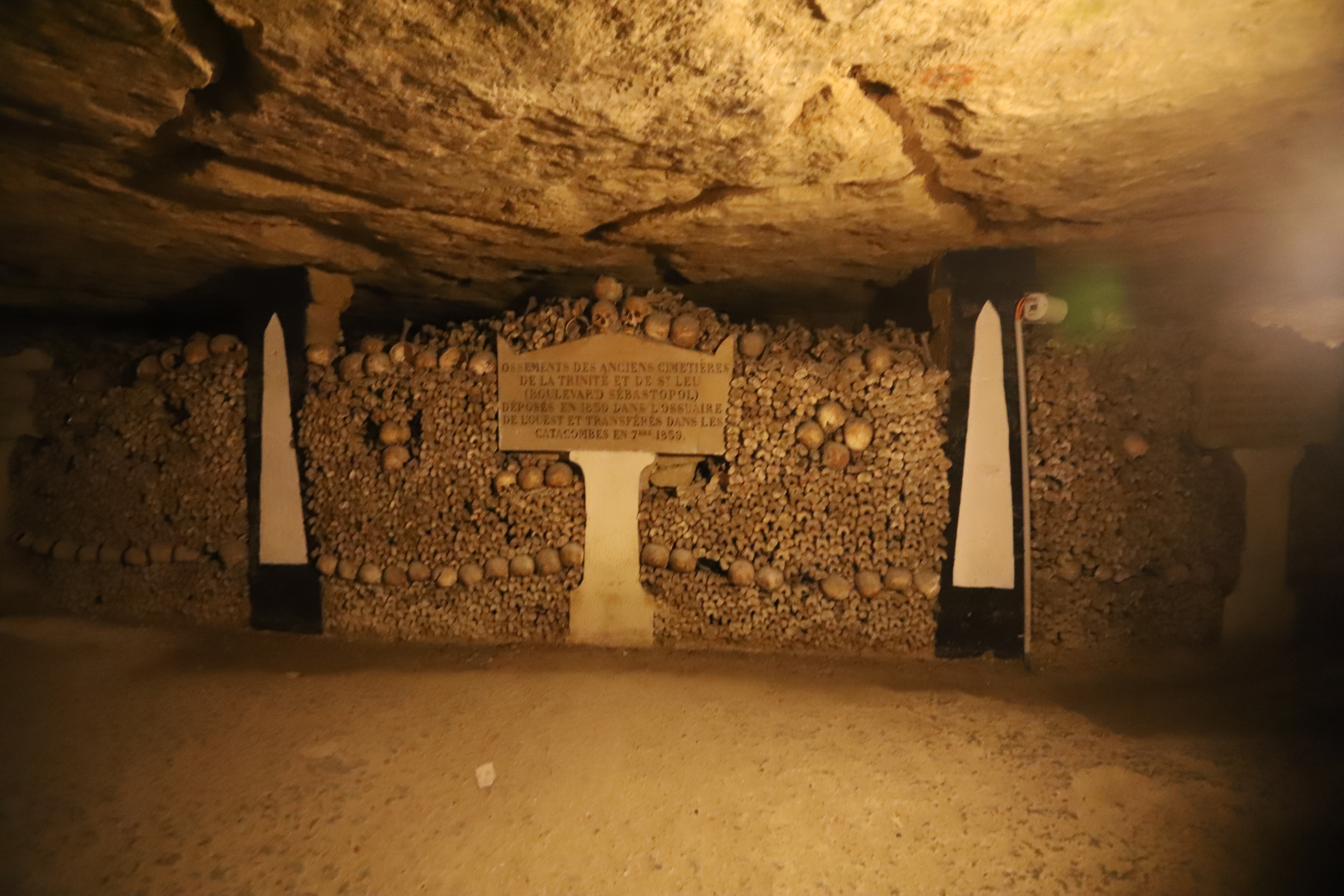
Paris Catacombs, Paris, 2019 / Parížske katakomby, Paríž, 2019 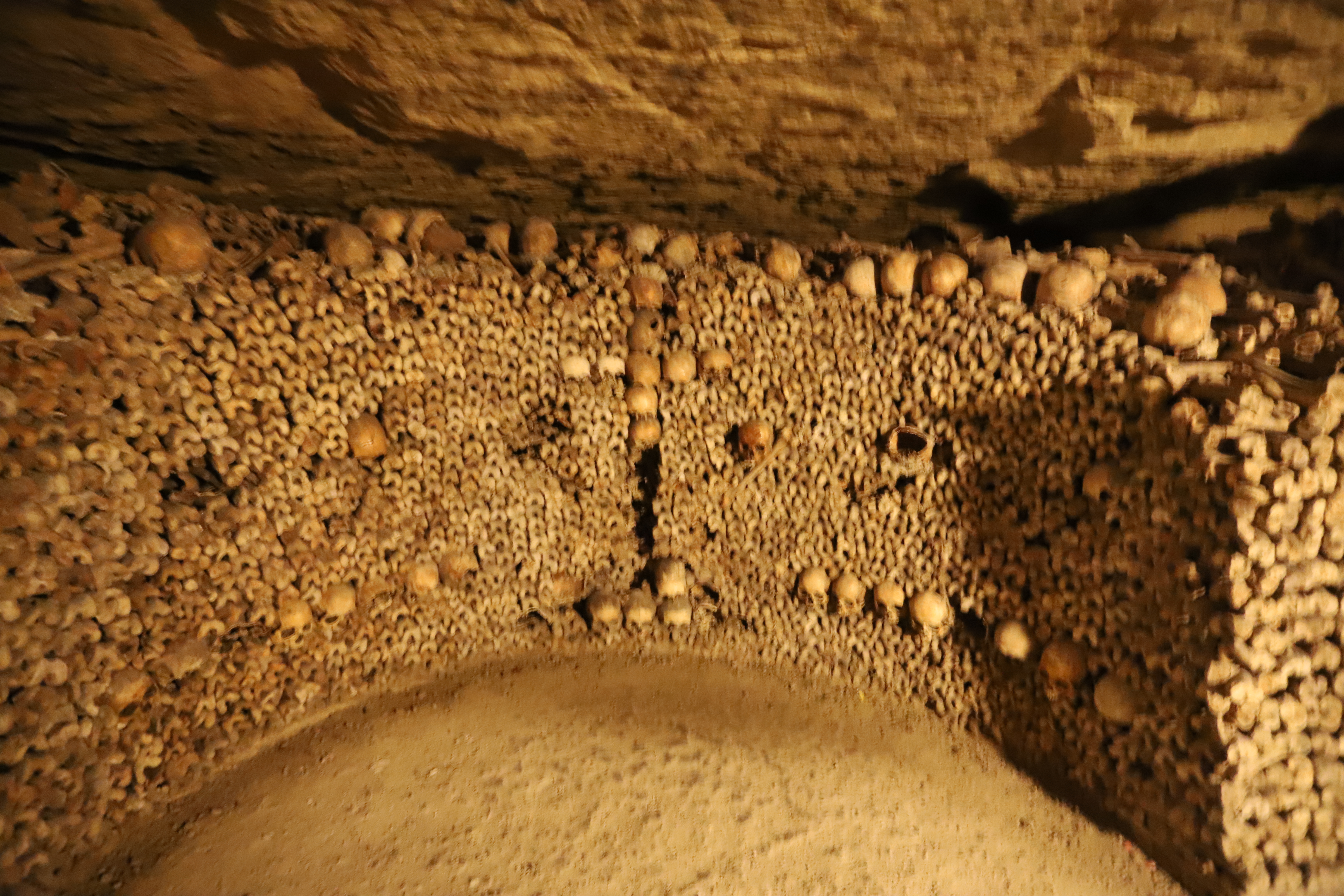
Paris Catacombs, Paris, 2019 / Parížske katakomby, Paríž, 2019 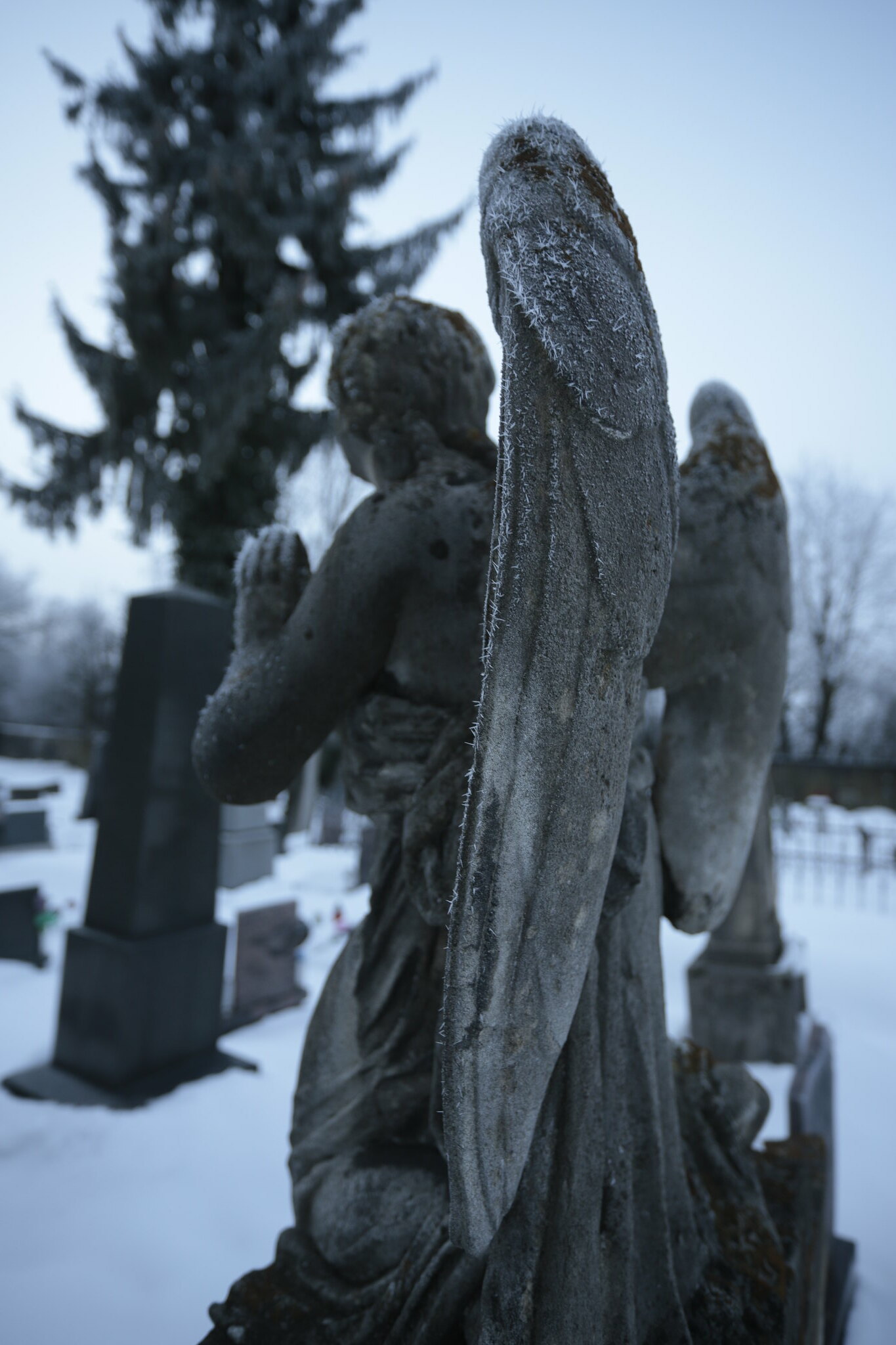
Evangelical cemetery, Banská Bystrica, 2019 / Evanjelický cintorín, Banská Bystrica, 2019 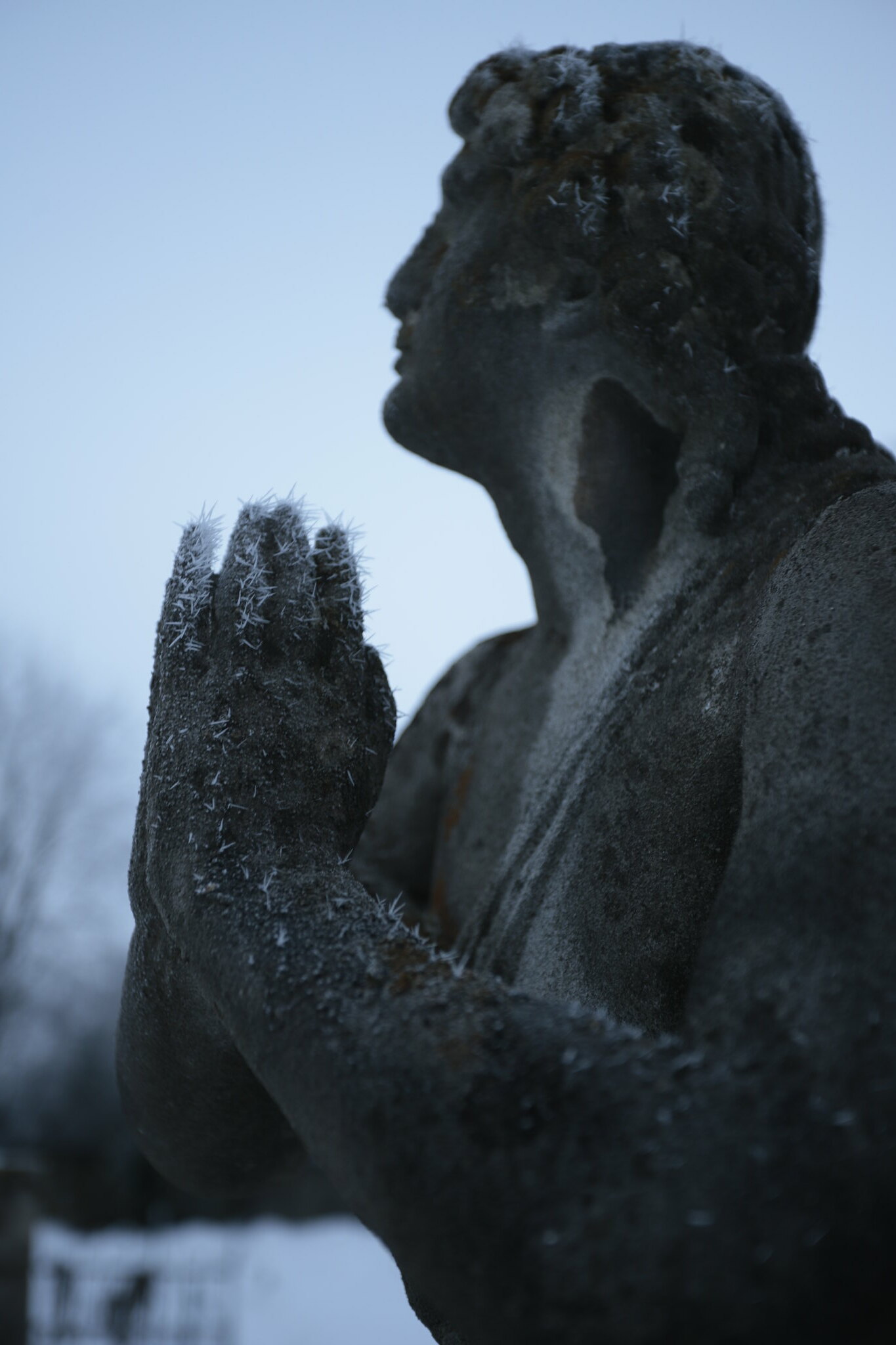
Evangelical cemetery, Banská Bystrica, 2019 / Evanjelický cintorín, Banská Bystrica, 2019 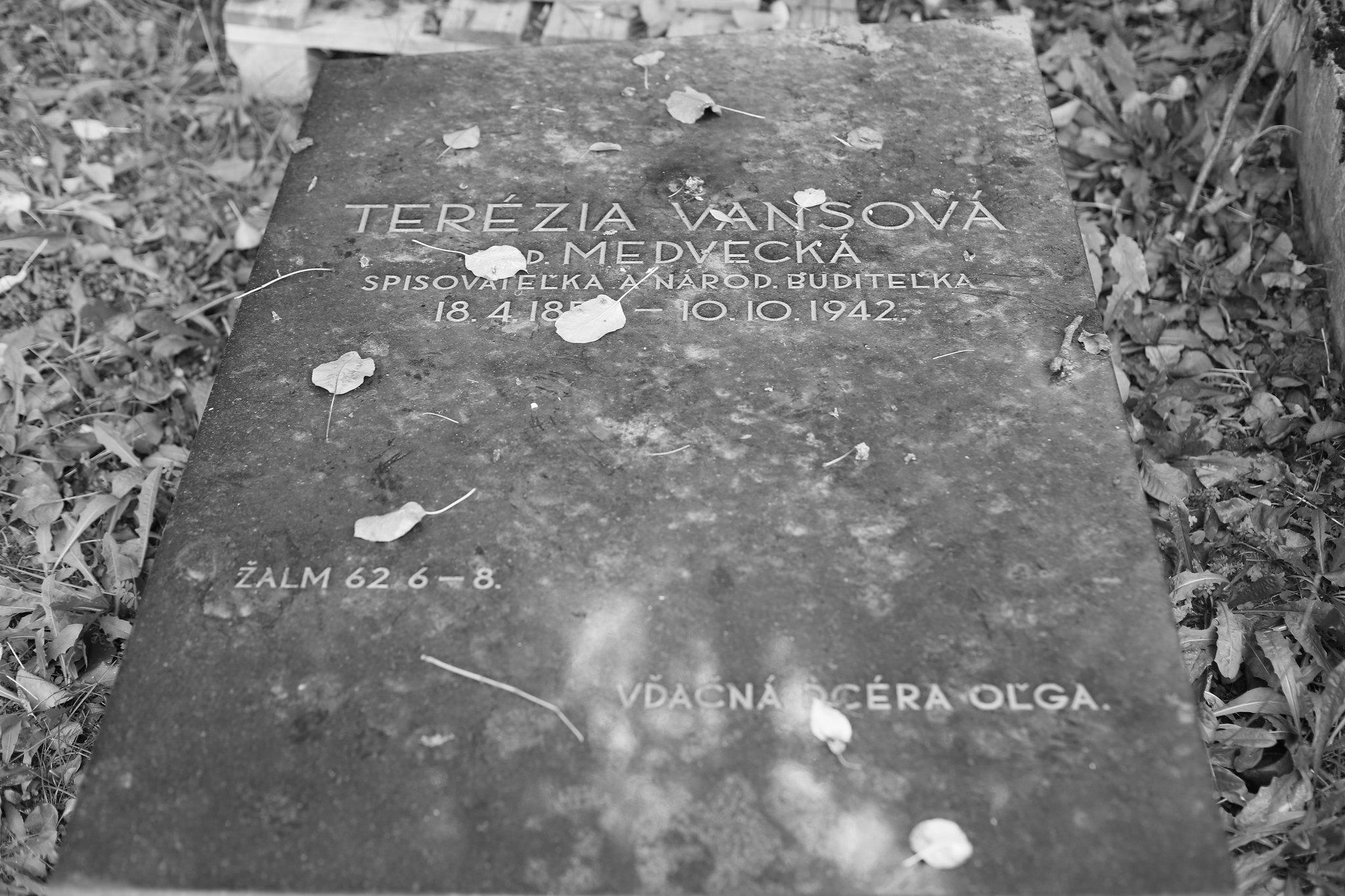
Evangelical cemetery, Banská Bystrica, 2019 / Evanjelický cintorín, Banská Bystrica, 2019 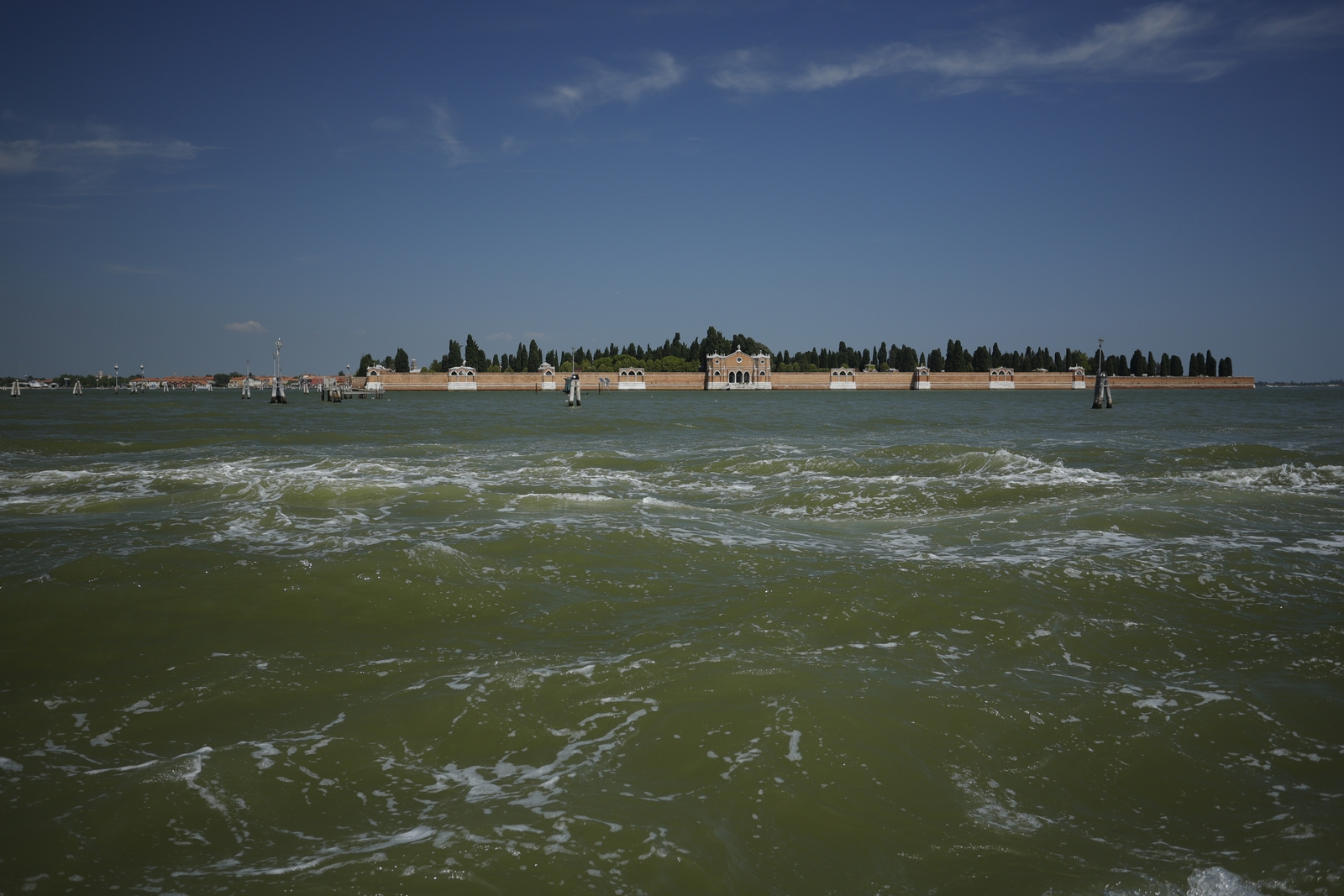
View of Venetian cemetery from Fondamente Nuove, Venice, 2019 / Pohľad na benátsky cintorín z Fondamente Nuove, Benátky, 2019 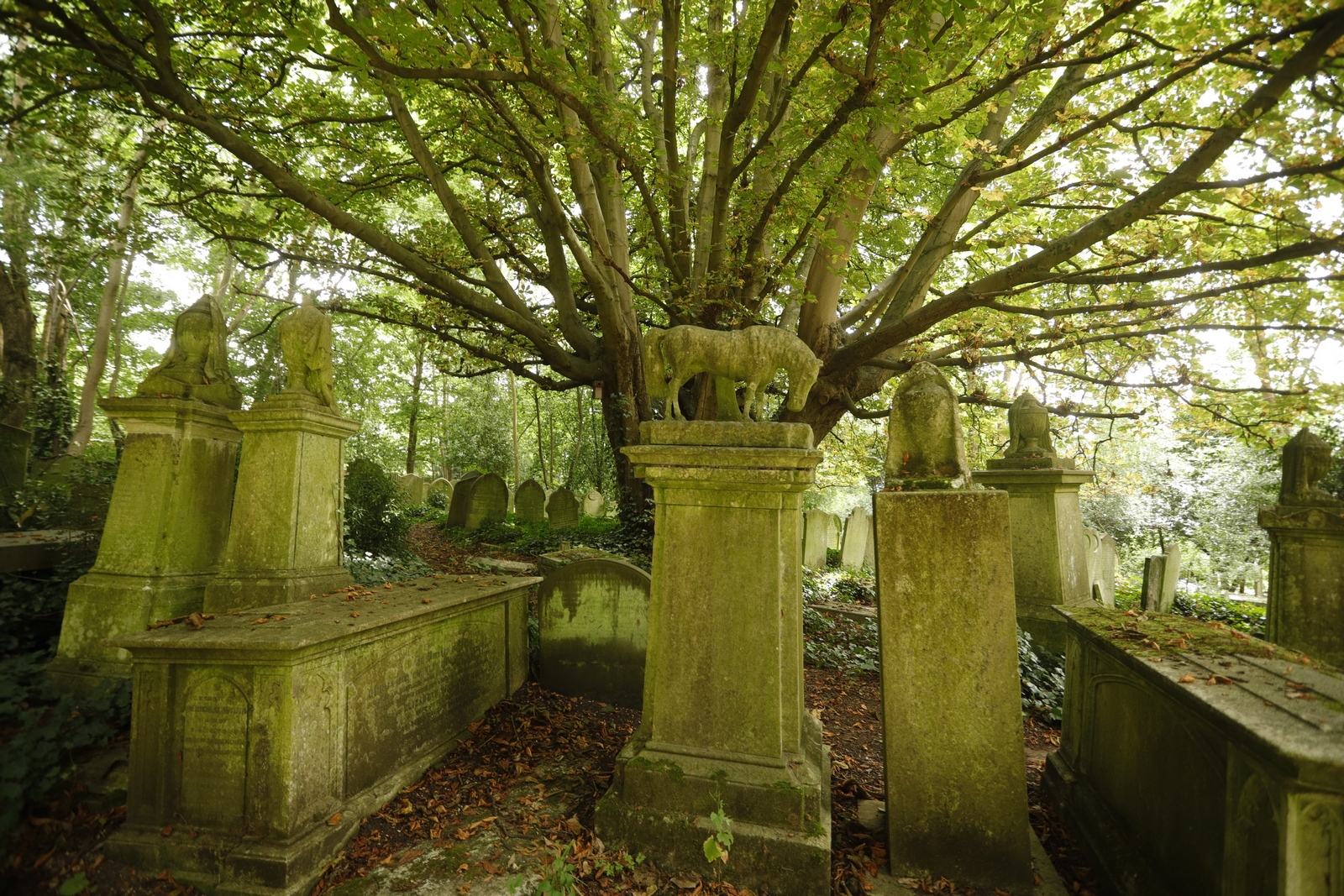
Highgate cemetery London, 2019 / Cintorín Highgate v Londýne, 2019 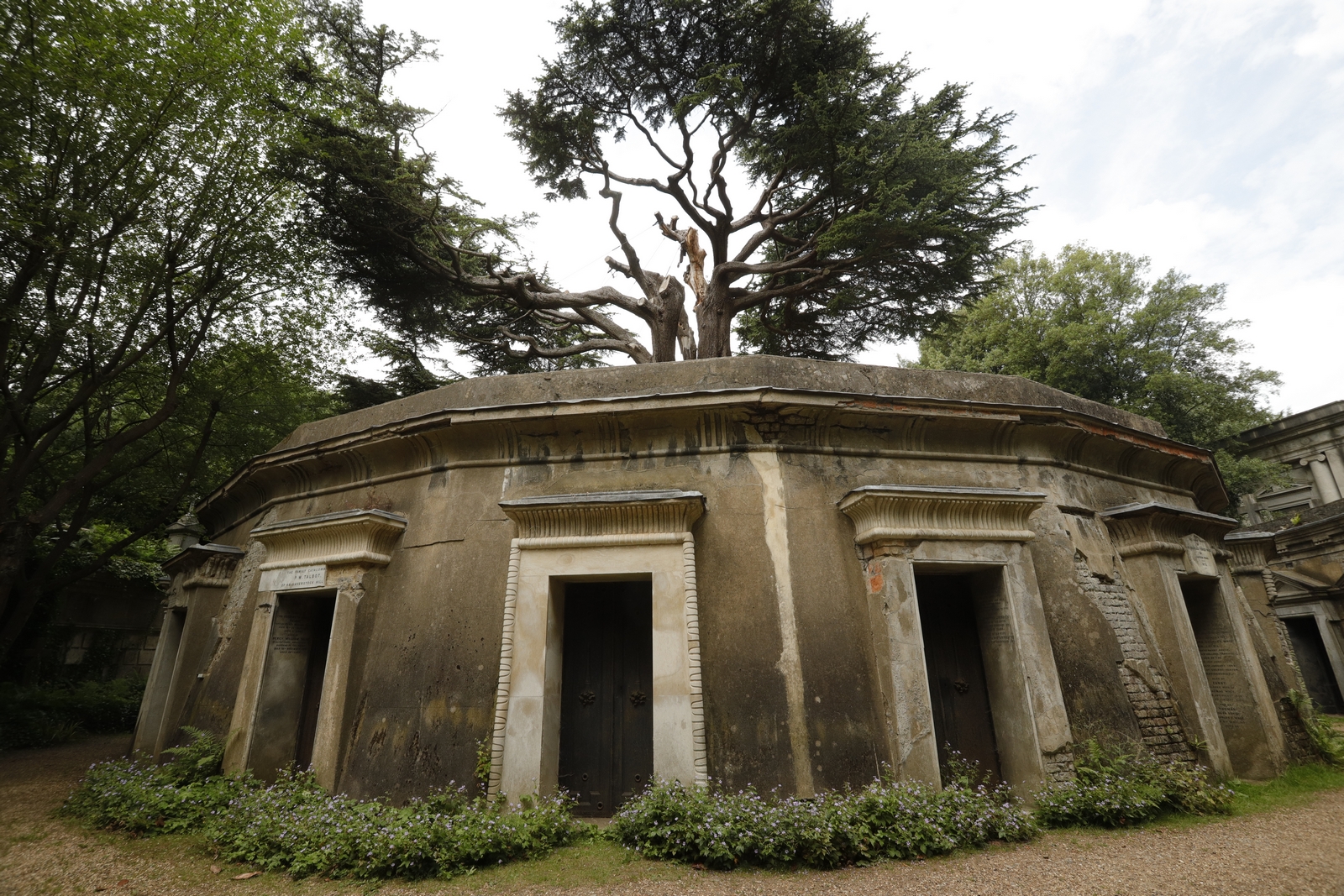
Highgate cemetery London, 2019 / Cintorín Highgate v Londýne, 2019 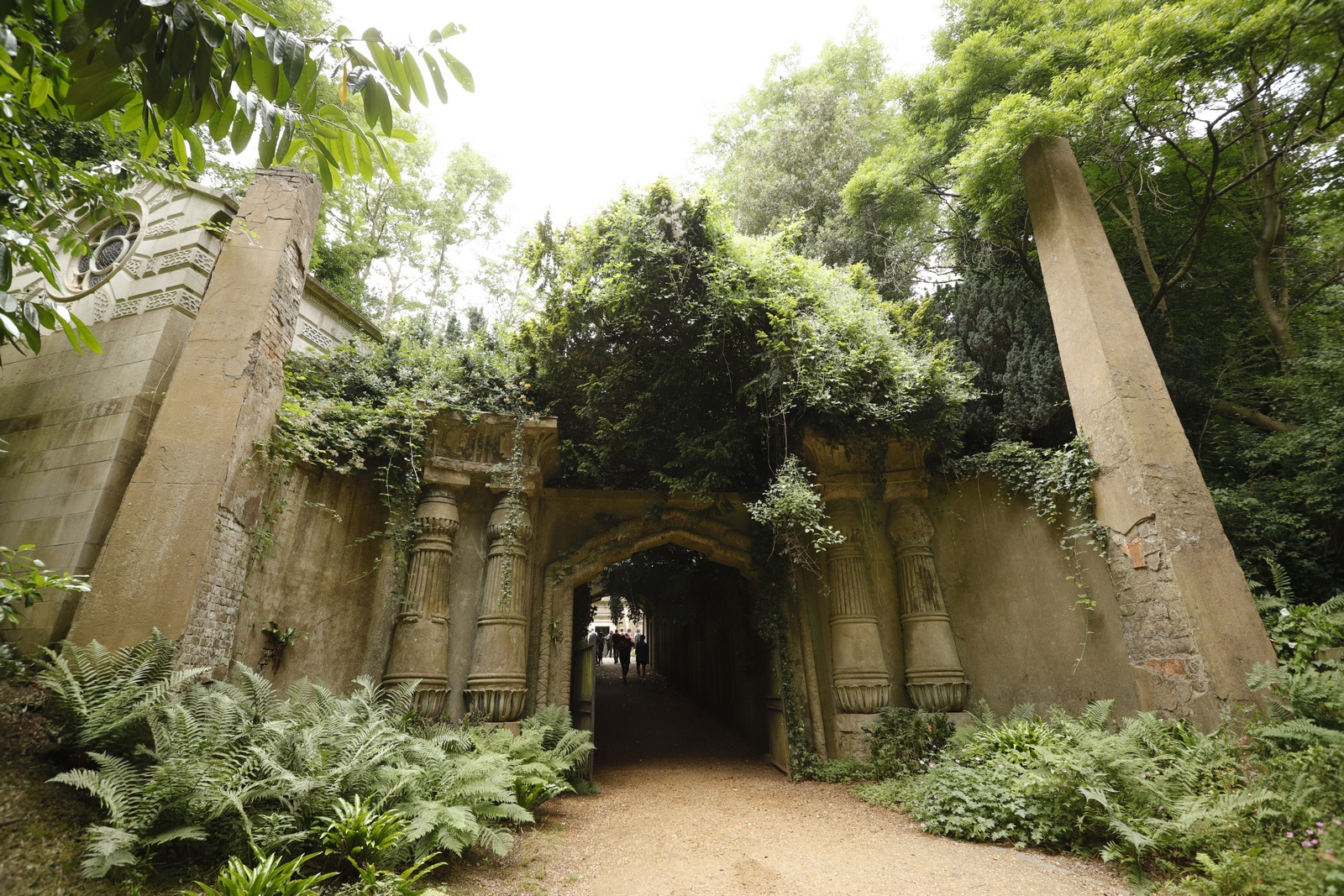
Highgate cemetery London, 2019 / Cintorín Highgate v Londýne, 2019 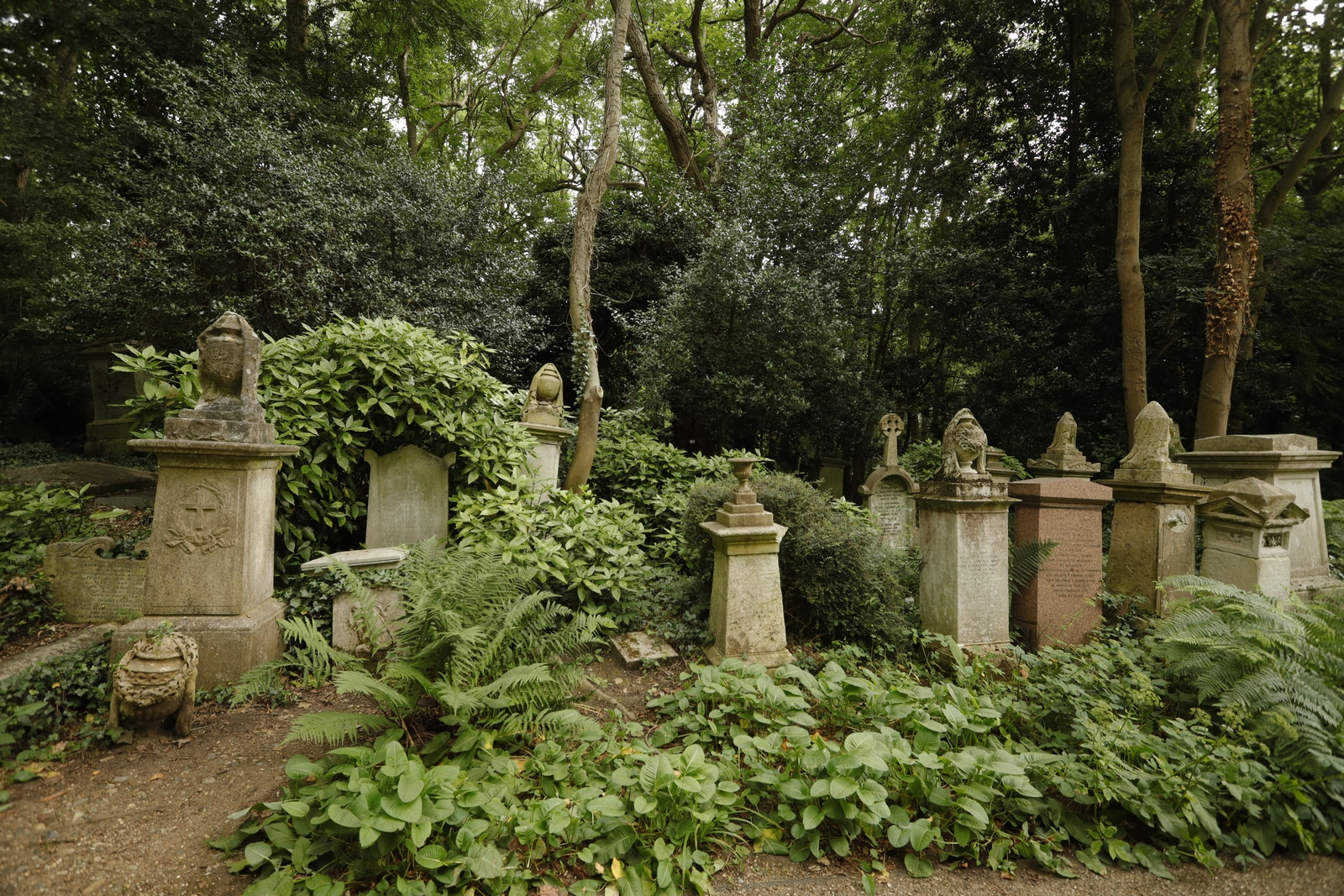
Highgate cemetery London, 2019 / Cintorín Highgate v Londýne, 2019 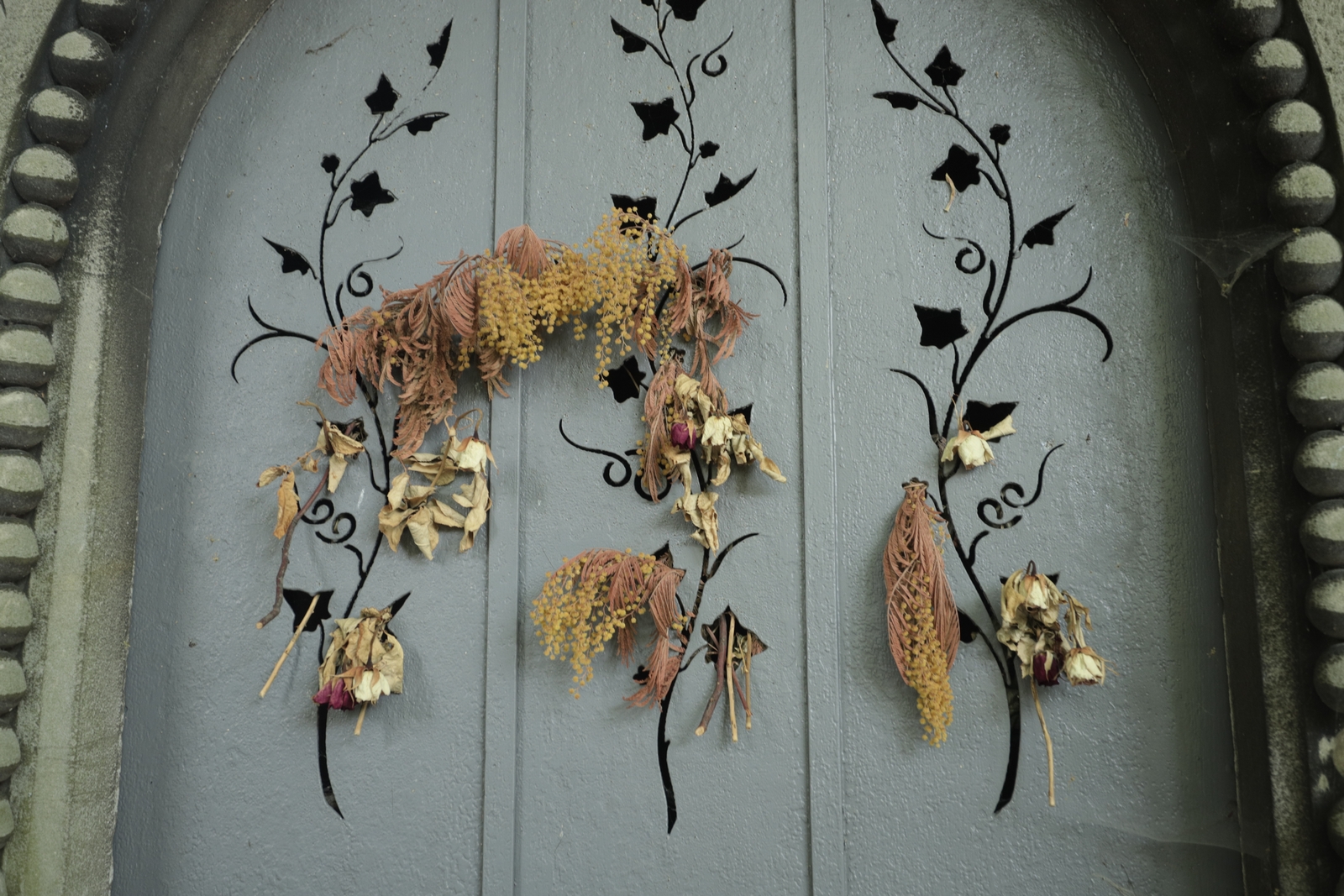
Père Lachaise cemetery Paris, 2019 / Cintorín Père Lachaise v Paríži, 2019 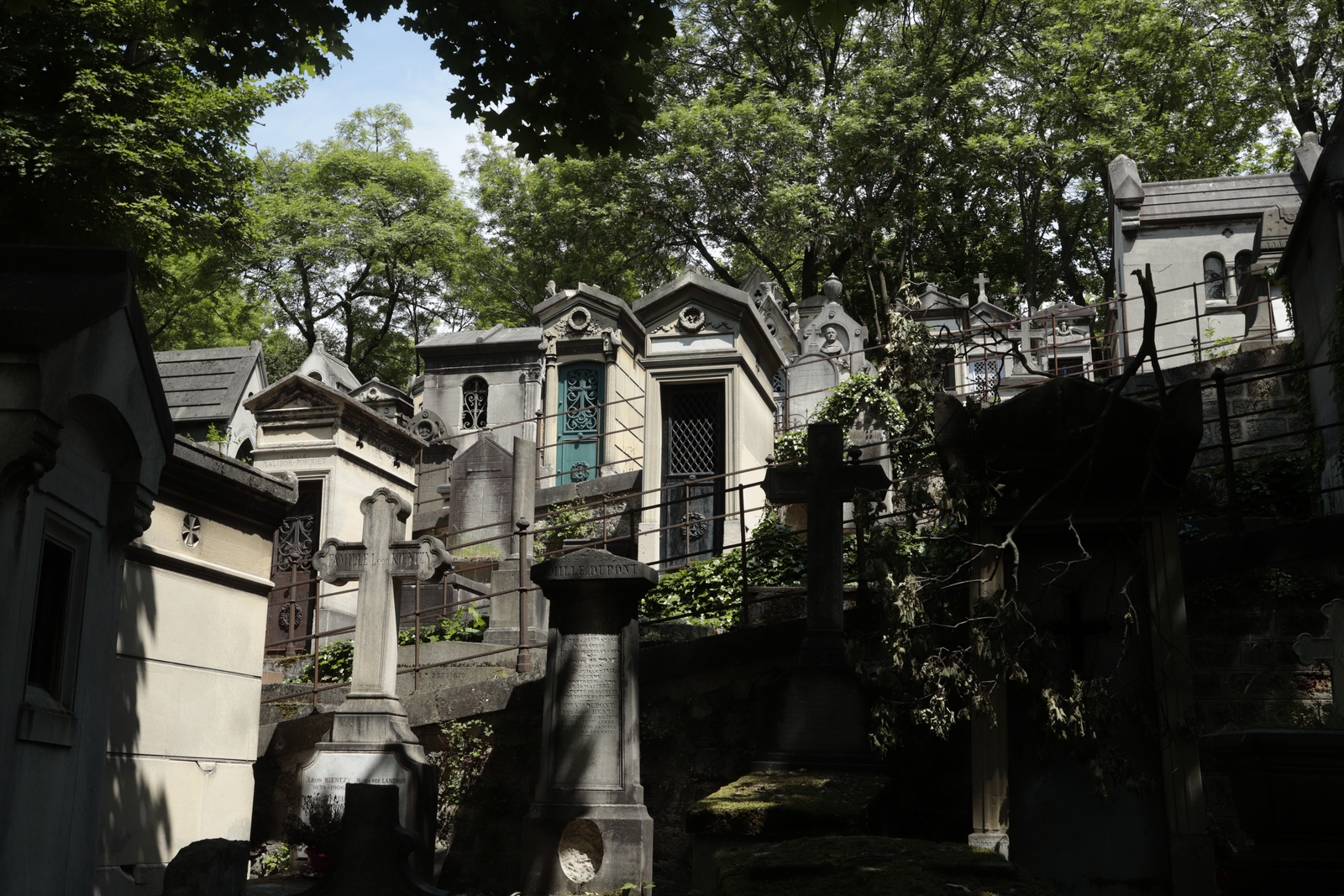
Père Lachaise cemetery Paris, 2019 / Cintorín Père Lachaise v Paríži, 2019 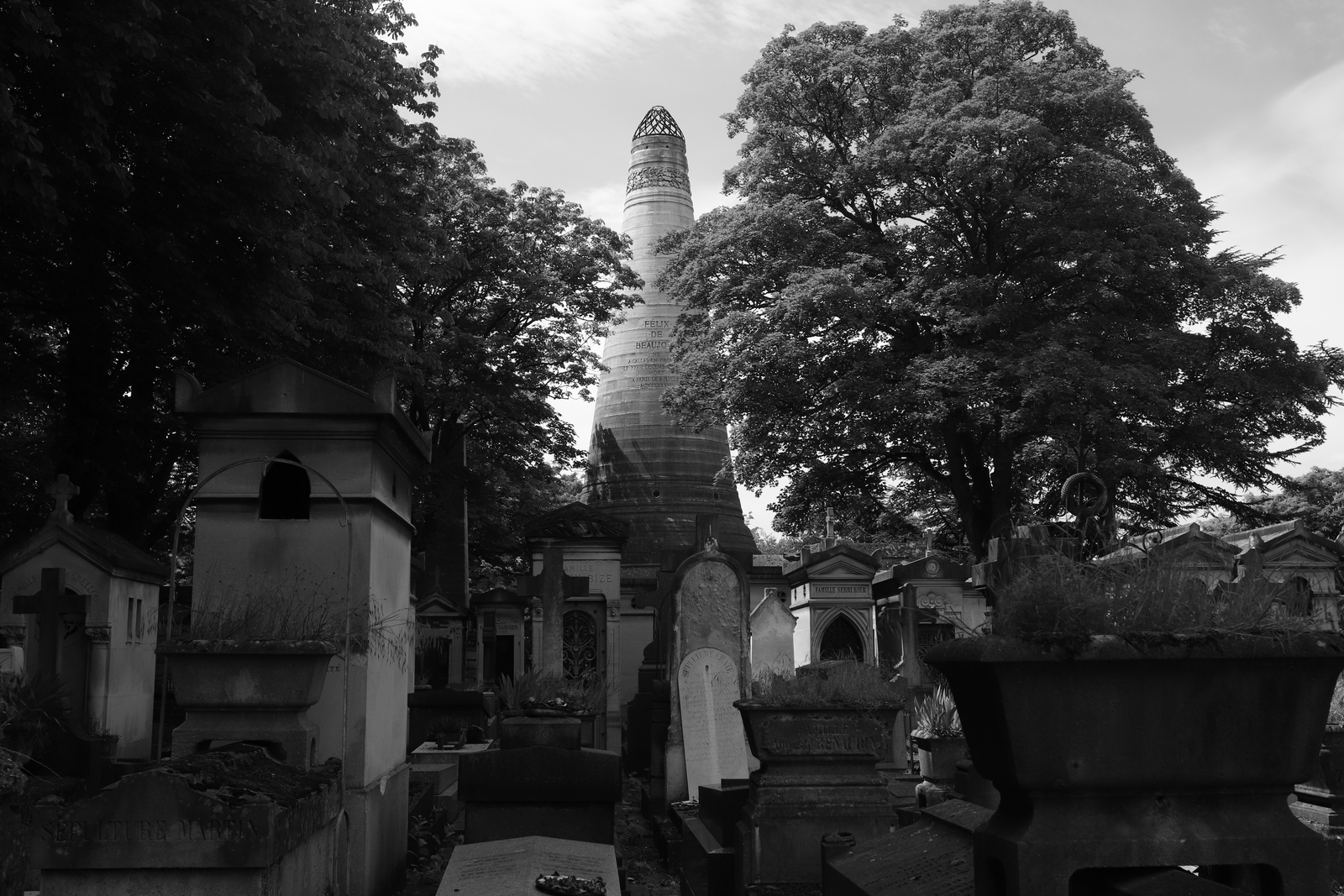
Père Lachaise cemetery Paris, 2019 / Cintorín Père Lachaise v Paríži, 2019
The project Islands of Nobody documents a fundamental shift in Western culture—the moment at the turn of the 18th and 19th centuries when death began to be systematically pushed from the public square to the city’s periphery. Inspired by Arnold Böcklin’s Isle of the Dead and the Venetian cemetery of San Michele, the project explores the transformation of the cemetery from an organic center of community life into the modern Enlightenment ideal of a “garden of paradise.”
From a Social Center to an Isolated Garden
Until the late 18th century, the cemetery was a place of intense coexistence between the living and the dead, a natural part of the urban fabric. Enlightenment reforms and the establishment of modern necropolises, such as Paris’s Père Lachaise (1804), changed this relationship forever. Under the influence of Neoclassical architecture and the ideal of the mythical Arcadia, the raw presence of skeletal remains was replaced by soothing depictions of angels amidst park greenery. Cemeteries became “Elysian Fields”—a secularized space for aesthetic cultivation and public education. Yet, as sociologist Philippe Ariés notes, this shift also marked the moment when we lost direct, everyday contact with death.
The Book: Islands of Nobody
The theoretical culmination of this research is the author’s book Islands of Nobody. Through micro-essays, diary observations, and photographs, it offers a deeper reflection on transience in the modern era. The book serves as an intimate guide to the project, inviting reflection on what has been lost through this aestheticization of death.
Projekt Ostrovy nikoho dokumentuje zásadný zlom v dejinách západnej kultúry – moment na prelome 18. a 19. storočia, kedy smrť začala byť systematicky vytláčaná z verejného priestoru na perifériu miest. Inšpirovaný Böcklinovým cyklom Ostrov mŕtvych a benátskym cintorínom San Michele, projekt skúma transformáciu cintorína z organického centra komunitného života na moderný osvietenský ideál „rajskej záhrady“.
Od spoločenského centra k izolovanej záhrade
Až do konca 18. storočia bol cintorín miestom intenzívneho spolunažívania živých so zosnulými, prirodzenou súčasťou mestského organizmu. Osvietenské reformy a vznik moderných nekropol, ako parížsky Père Lachaise (1804), tento vzťah navždy zmenili. Pod vplyvom neoklasicistickej architektúry a ideálu bájnej Arkádie nahradili surovú prítomnosť kostrových pozostatkov chlácholivými zobrazeniami anjelov v parkovej výsadbe. Cintoríny sa zmenili na „Elyzejské polia“ – sekularizované priestory pre kultiváciu estetiky a edukáciu más, čím sa však, podľa sociológa Philippa Ariésa, nadobro stratil bezprostredný kontakt so smrťou.
Kniha Ostrovy nikoho
Teoretickým vyvrcholením tohto výskumu je autorská kniha Ostrovy nikoho (2023). Formou mikroesejí, denníkových postrehov a fotografií hlbšie reflektuje našu pominuteľnosť v kontexte súčasnej doby. Kniha slúži ako intímny sprievodca projektom a ponúka priestor na zamyslenie nad tým, čo sme touto estetizáciou smrti stratili.
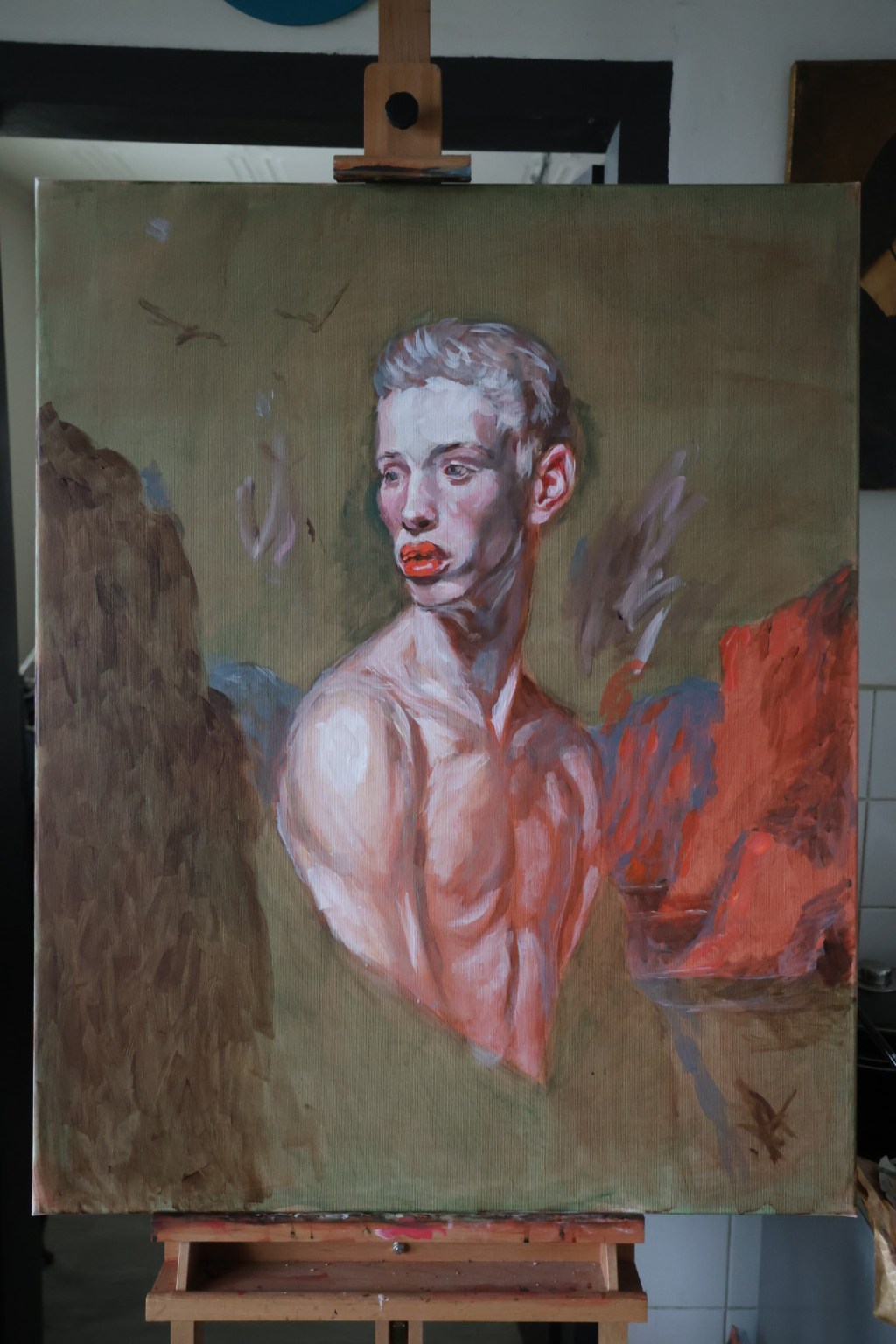






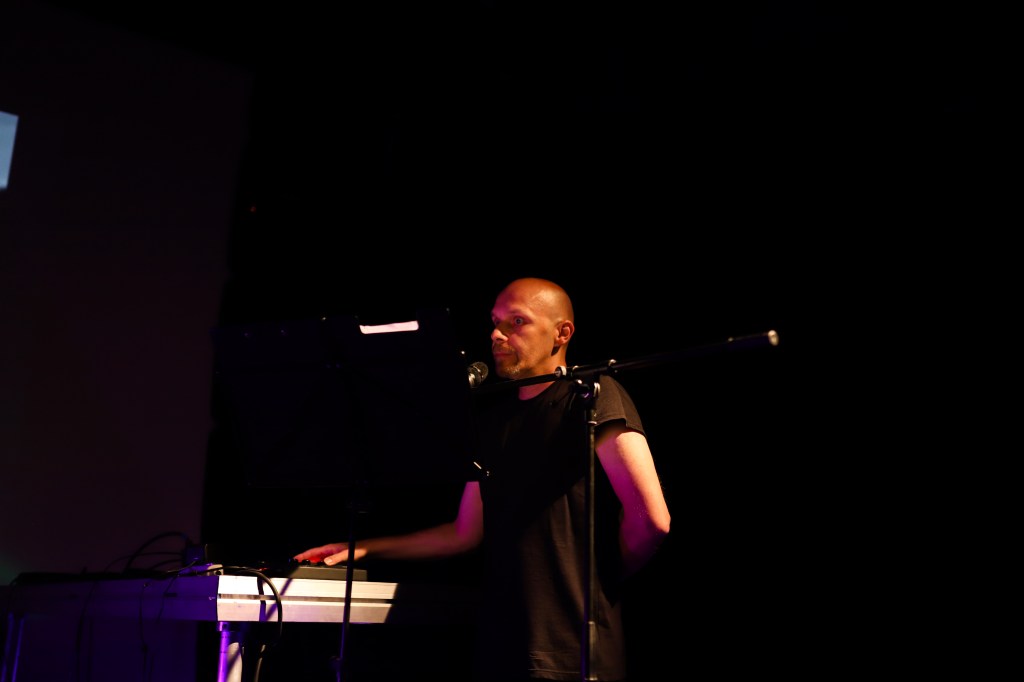
 Maroš Rovňák, multidisciplinary artist / multidisciplinárny umelec